
During direct steam heating, steam enters the product and condenses, adding water. If the downstream process includes flash cooling, evaporation removes some water again. Both processes affect the product concentration at the outlet.
Indirect heating transfers heat through a heat exchanger wall. Under normal operating conditions, the heating medium does not mix with the product. This is one reason product concentration matters when comparing the two methods.
For example, the same formulation may produce samples with different viscosities after direct and indirect heating. If their solids contents also differ, part of the viscosity difference may reflect a change in concentration. It cannot all be attributed to the heating method. The inlet formulation alone does not explain differences between the finished samples.
Whether direct heating is followed by flash cooling, and where evaporation takes place, depends on the equipment configuration. Some processes combine direct heating with indirect cooling. The presence of a direct steam heating module therefore does not mean that sample results can be interpreted as if the system included flash cooling.
Temperature records also need to be read alongside flow rate and the holding section. Identical temperature setpoints on the control screen do not establish that two samples received the same thermal treatment. Within the same holding section, a change in flow rate changes the time spent there. Product flow behavior also affects the assessment of holding conditions. Each sample used in the comparison needs a record of the actual operating conditions when it was collected.
Homogenization arrangements can affect the comparison as well. Homogenization may take place before final heating or in an aseptic downstream section. Different homogenizer positions or settings introduce additional process variables into the comparison. The report should distinguish conditions held constant from those changed with the processing route.
Viscosity readings taken at different temperatures or using different methods are not directly comparable. Storage temperature and observation times also need to accompany observations of separation or sedimentation. Samples collected while switching from water to product, or before operation has stabilized, should be kept separate from steady-operation samples.
A higher viscosity or less sediment can be a reason for further investigation. That result alone does not establish which heating route is more suitable for production. The assessment remains specific to the product and actual operating conditions. When pilot results inform equipment selection, commercial equipment and its operating conditions still require a separate review.
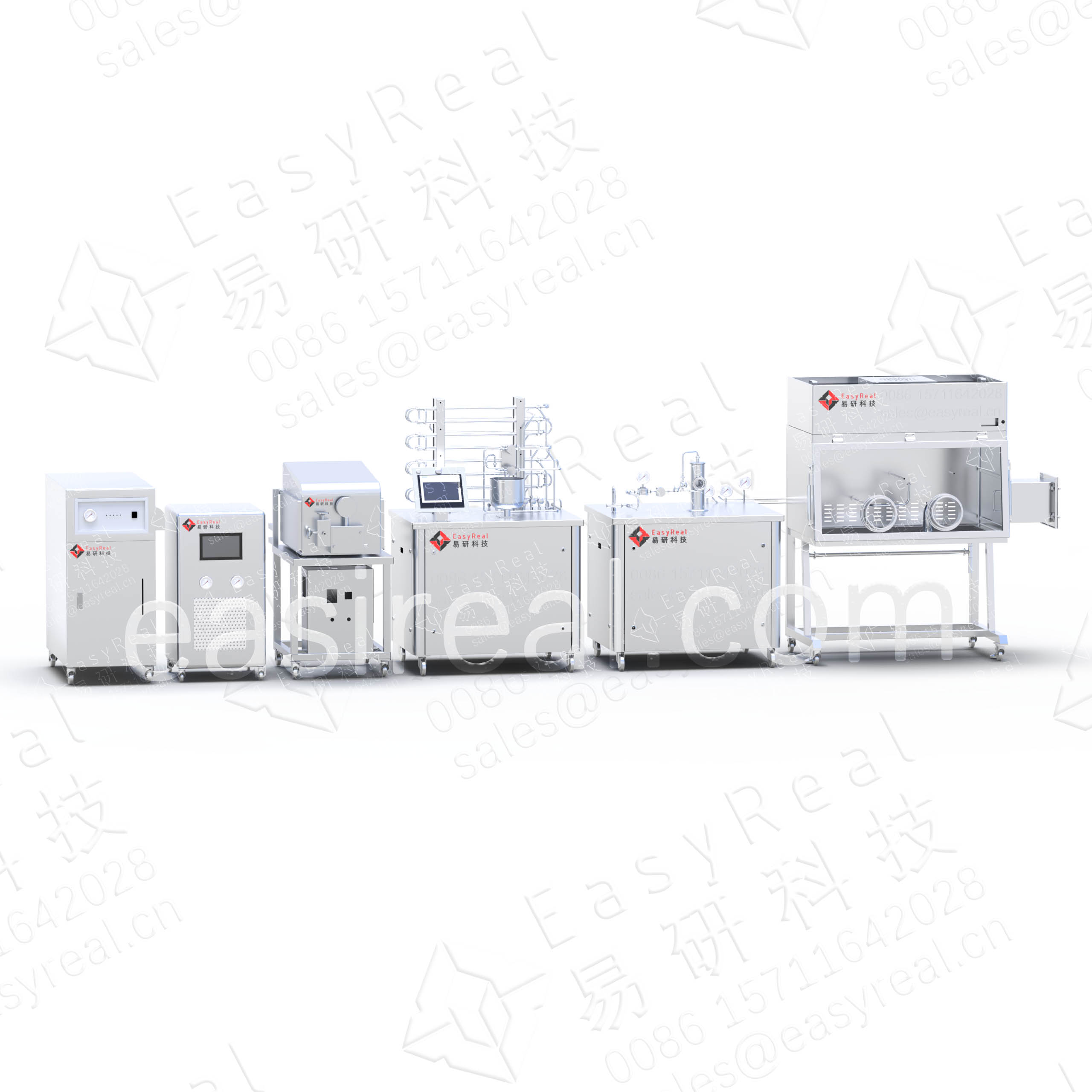
Related equipment: UHT pilot plant.
Technical references: Tetra Pak Dairy Processing Handbook, Long-life dairy products and Heat exchangers.
Post time: Nov-03-2026
