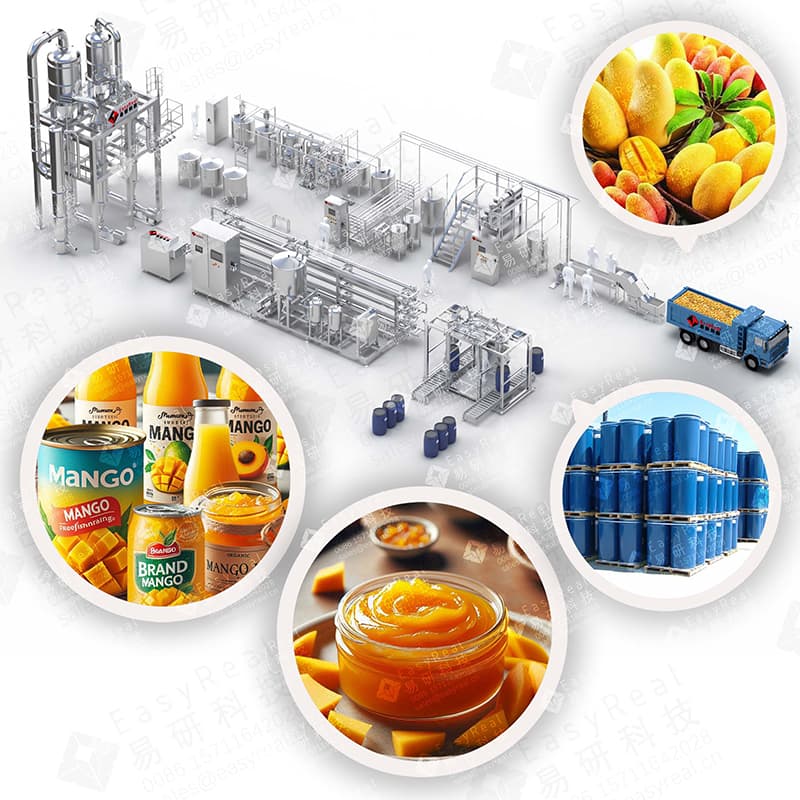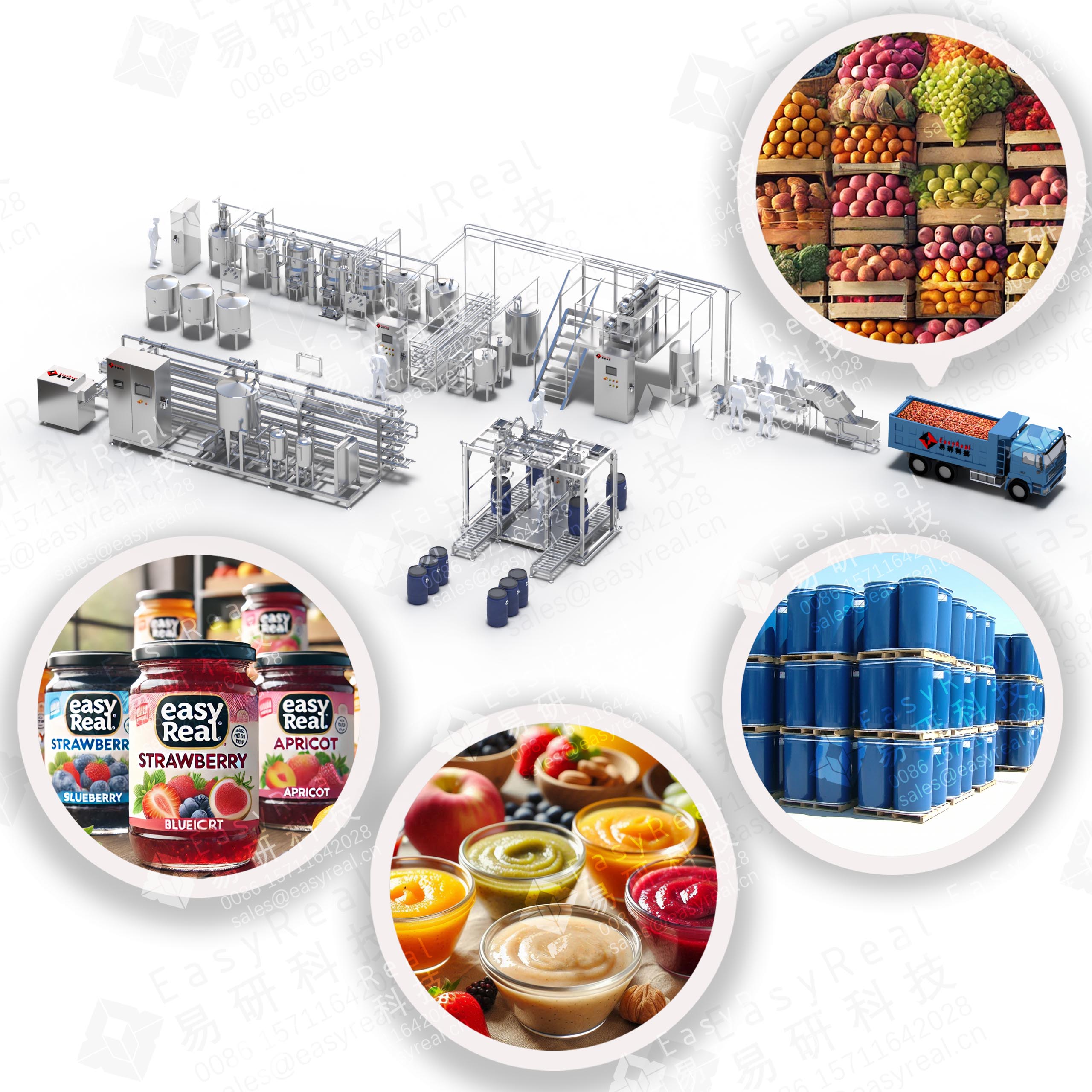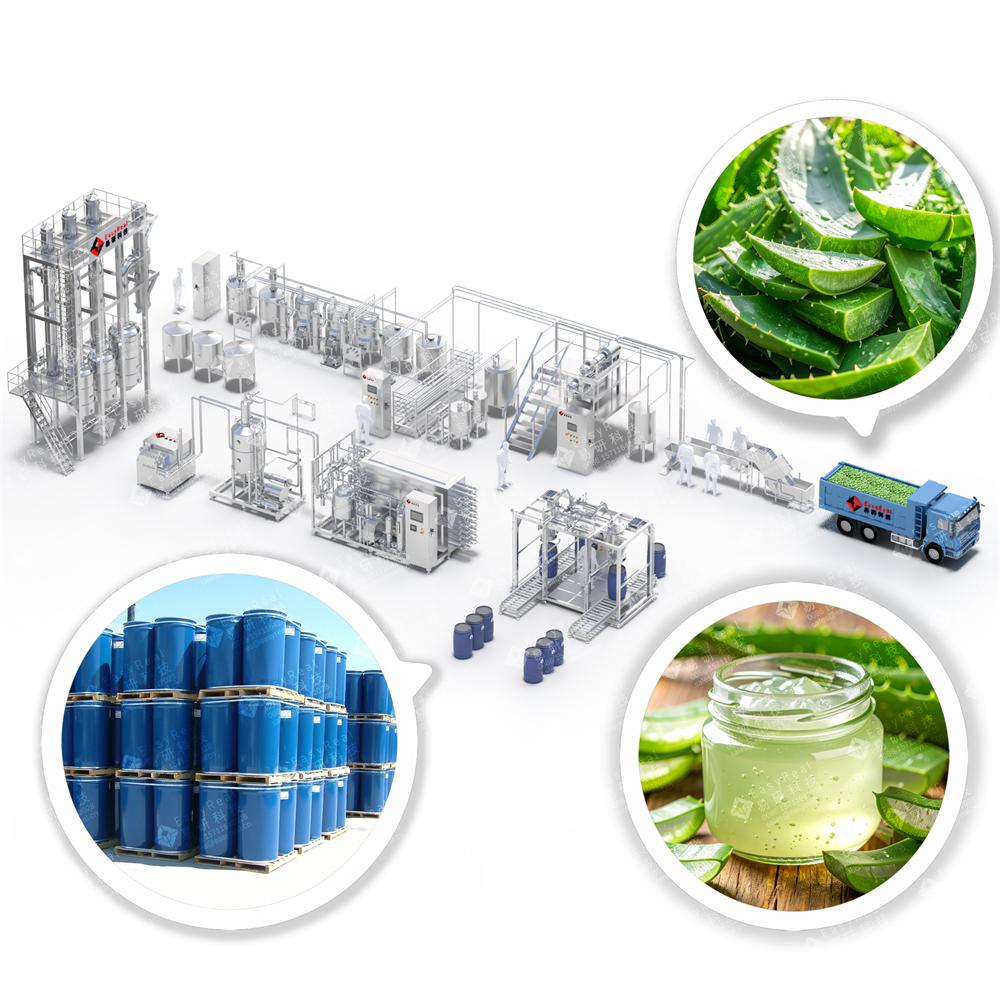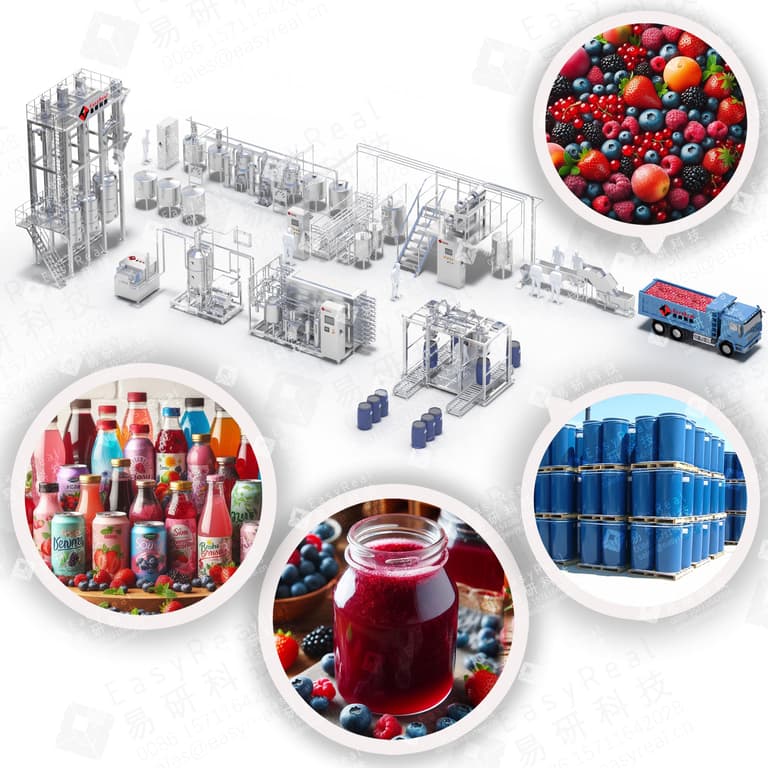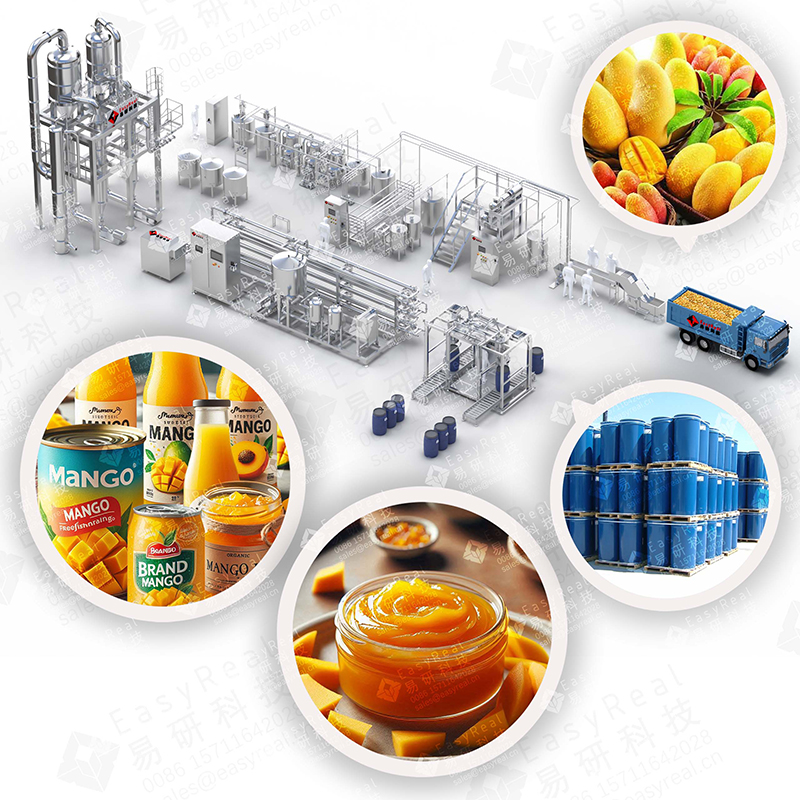
The mango processing line is a complete industrial mango pulp processing plant designed to transform fresh mangoes into high-quality pulp, puree, or juice for both ingredient supply and finished beverage production. This aseptic mango pulp processing system integrates advanced fruit-handling, pulping, concentration, sterilization, and aseptic packaging technologies, ensuring stable output, low energy consumption, and excellent hygiene control in every production batch.
At the start of the process, fresh mangoes are washed, brushed, and sorted using a bubble-type mango washing and grading machine, which removes dirt, latex, and foreign matter. The cleaned fruits are lifted by an elevator conveyor into the mango destoning and peeling machine, where pulp is efficiently separated from stones and peels with minimal waste.
The extracted pulp enters the double-stage pulping and refining machine, equipped with dual sieves (typically 0.8 mm + 0.4 mm), achieving a fine, homogeneous puree. This is a core stage in the mango pulp production line, delivering high yield and low fiber residue while maintaining the fruit’s natural aroma and color.
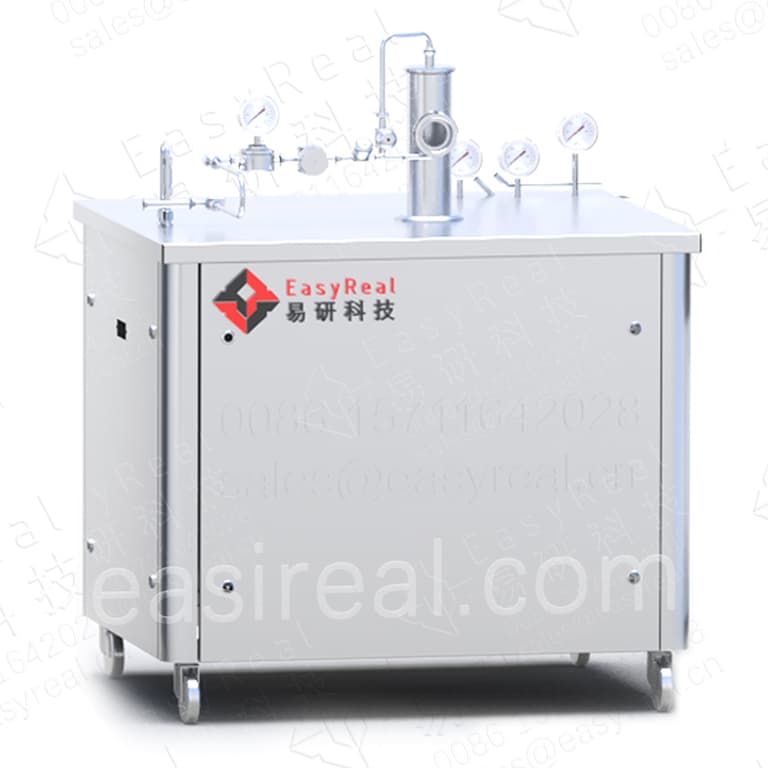
Depending on the target product, the refined pulp flows into the mango juice processing plant section for deaeration and homogenization. A vacuum deaerator removes oxygen to extend shelf life and preserve flavor, while an optional inline homogenizer improves mouthfeel and stability. For concentrated products, a forced-circulation or falling-film evaporator raises the solid content up to 28–30 °Brix or higher, operating under vacuum to minimize flavor loss and heat degradation — a critical step for mango pulp concentrate manufacturing.
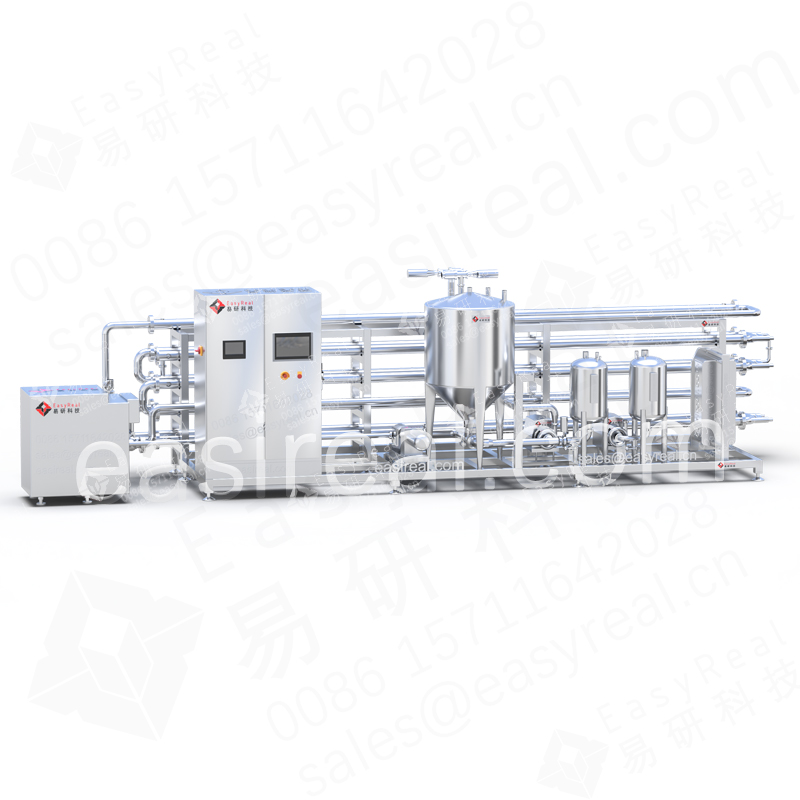
Sterilization is performed by a tubular UHT sterilizer, heating the product rapidly to 110–125 °C for 15–30 seconds (customizable). This guarantees commercial sterility, retains color and viscosity, and supports continuous operation for 24 hours. The process complies with international food safety standards (FDA/CE), making it suitable for export-oriented mango pulp factories.
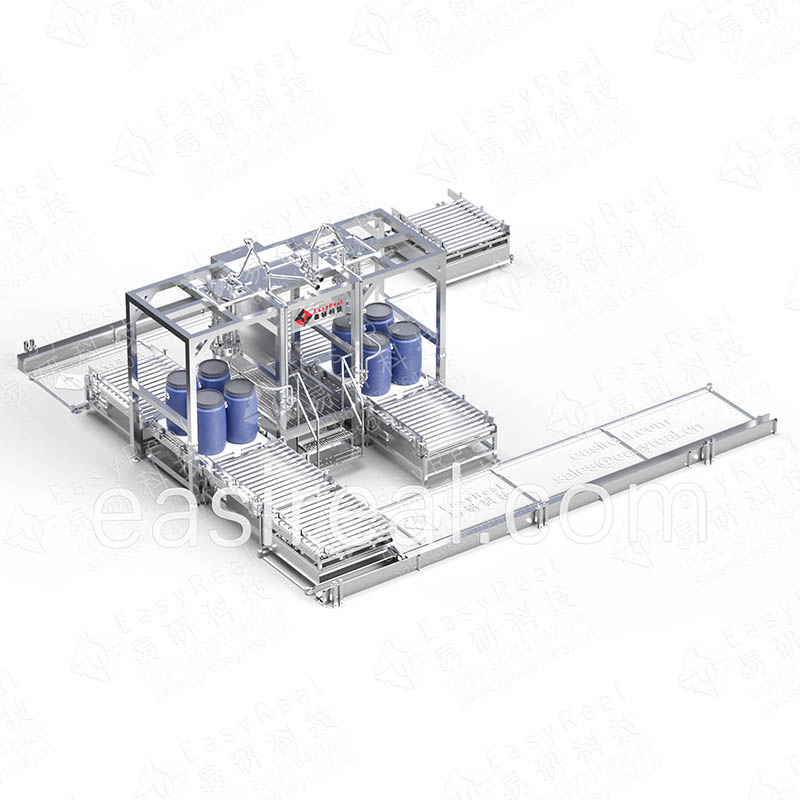
The final step involves aseptic filling using a fully automatic aseptic bag filler, capable of packing in 200 L sterile drums, bag-in-box, or small pouches. This packaging maintains up to 24 months shelf life at ambient temperature, enabling global shipment and co-packing operations without cold chain dependence.
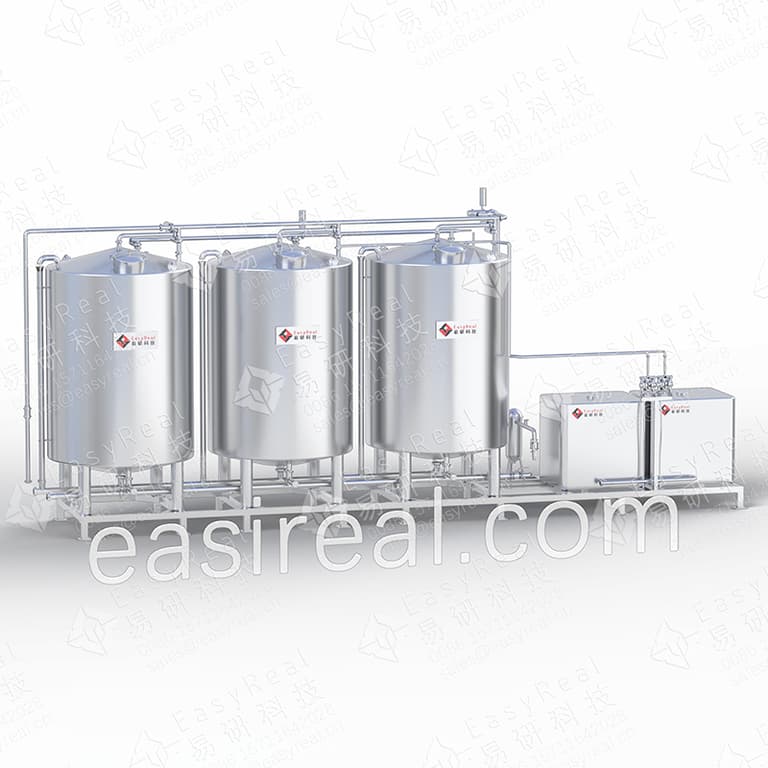
All machines are linked via sanitary stainless-steel piping, controlled by a centralized Siemens PLC + HMI automation system. The interface provides real-time monitoring of temperature, flow, and pressure, with automated CIP (Clean-In-Place) ensuring quick batch changeover and reduced water/detergent use.
Together, these systems build a fully integrated mango processing unit—a robust, energy-efficient, and hygienic solution ideal for medium to large-scale industrial mango juice plants. Whether producing aseptic mango pulp, concentrated puree, or commercial mango juice, this line ensures repeatable product quality, low maintenance cost, and scalable productivity — making it a preferred choice for modern food and beverage manufacturers worldwide.
A mango pulp processing plant is designed to convert fresh mangoes into stable mango pulp, mango puree, mango juice or mango concentrate through washing, destoning, pulping, refining, deaeration, sterilization and filling. Compared with a single mango pulp machine, a complete mango processing line provides continuous material handling, controlled heat treatment, hygienic transfer and flexible packaging for industrial production.
EasyReal configures each mango pulp processing plant according to raw mango variety, maturity, fiber content, final Brix, product viscosity and packaging format. For aseptic mango pulp processing, the line can include a mango destoning machine, double-stage pulping machine, vacuum deaerator, tubular UHT sterilizer and aseptic bag filling machine. For mango juice production, the system can also be equipped with blending, homogenization, pasteurization and bottle or pouch filling sections.
The Mango Processing Line serves a wide range of industries including beverage factories, fruit-based ingredient suppliers, baby-food brands, and frozen dessert manufacturers. Its modular structure allows quick adaptation for Mango Puree, Mango Pulp, Mango Nectar, or Clarified Mango Juice production.
Typical output formats include:
• Aseptic 200 L drums of mango puree concentrate for downstream blending.
• Bag-in-box packaging (3–25 L) for catering and foodservice channels.
• Retail PET or glass bottles (250–1000 mL) for ready-to-drink mango juice.
Operators benefit from stable color retention and flavor consistency, while processors reduce unplanned downtime through automated CIP and predictable thermal cycles. As a result, the industrial mango processing line supports continuous, audit-ready production with consistent yield and quality.
For beverage manufacturers, the mango processing line can also be configured as a commercial mango juice machine for producing mango juice, mango nectar and blended mango drinks. After pulping and refining, the mango puree can be diluted, blended, homogenized, pasteurized and filled into PET bottles, glass bottles, pouches or other retail packaging formats.
Compared with a basic automatic mango juice machine, EasyReal provides a complete industrial solution that covers raw mango handling, pulp extraction, formulation, thermal treatment and final filling. This makes the system suitable for both B2B mango pulp supply and ready-to-drink mango beverage production.
Selecting the correct layout depends on the intended end product and plant capacity.
Production capacity (tons/day) defines the throughput of the mango elevator, mango destoner, and mango tubular sterilizer.
Key configuration factors include:
• Heat-exchange system: tube-in-tube for viscous mango puree; tubular heat exchanger for pulp or juice.
• Vacuum system: required if installing a mango falling-film evaporator for aroma retention.
• Packaging route: aseptic drum filling for ingredients; hot-fill PET for retail beverages.
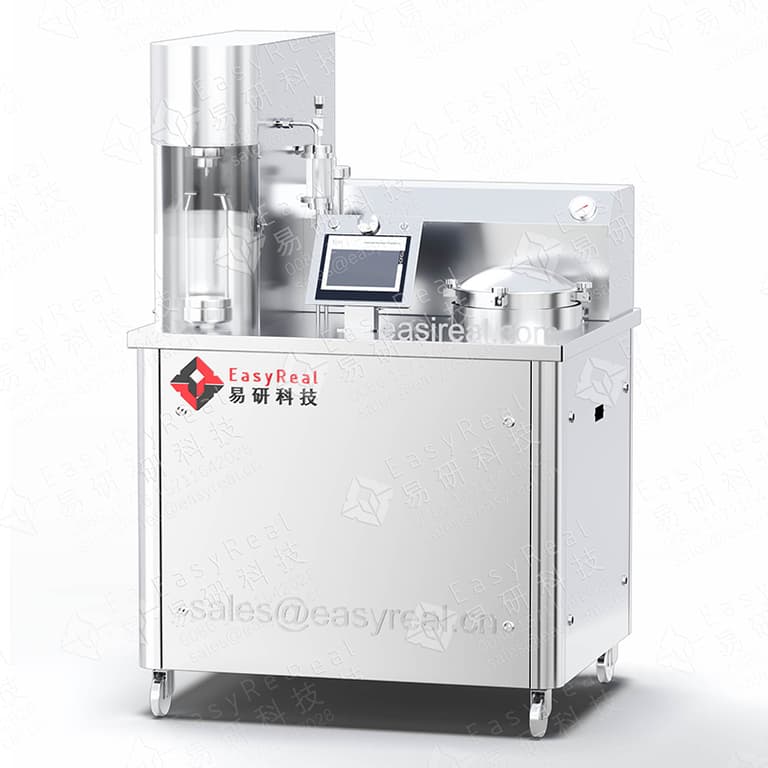
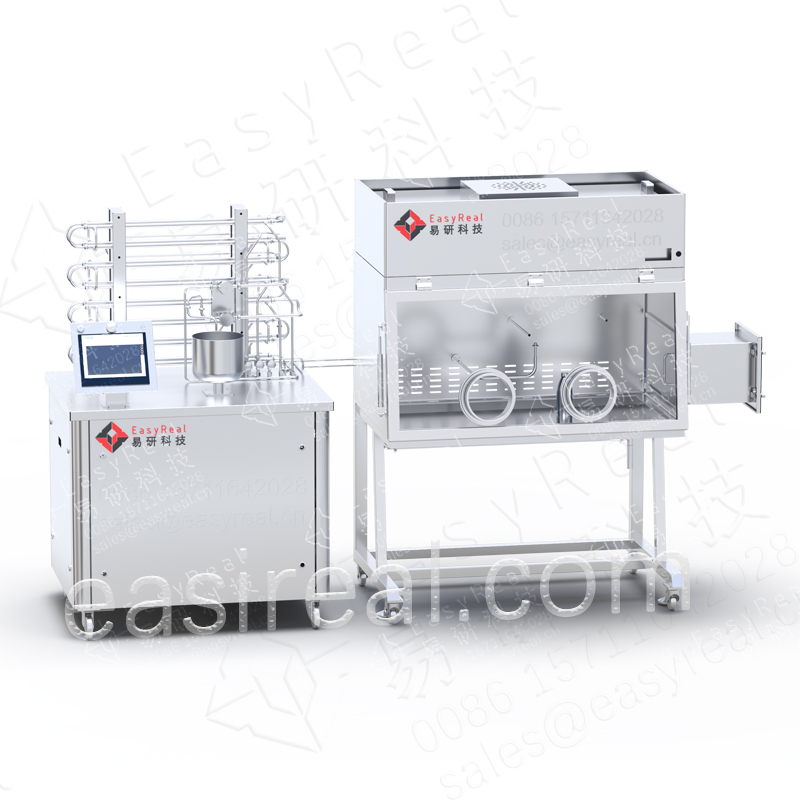
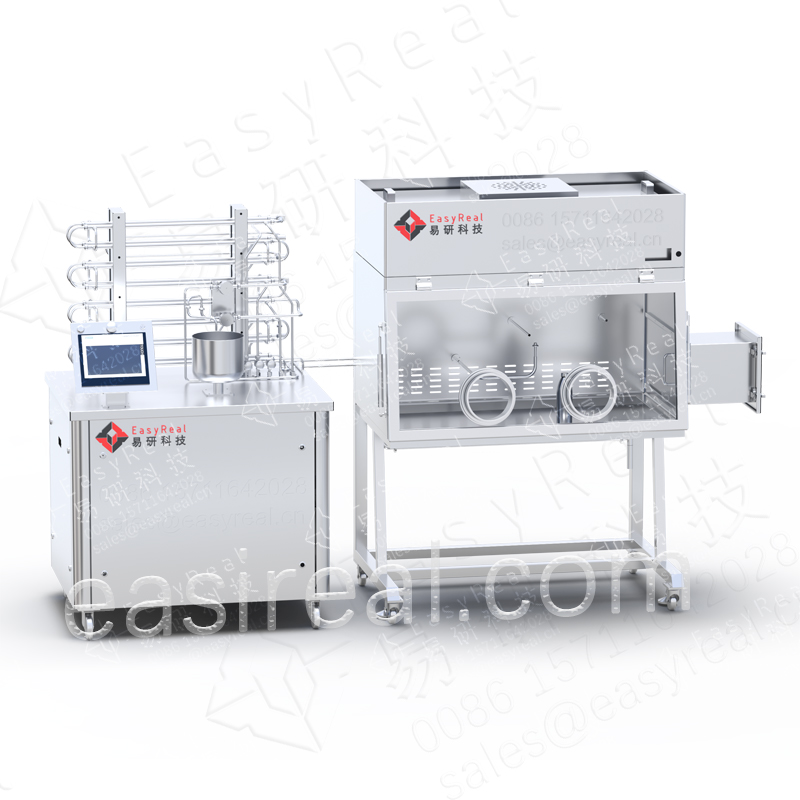
Before full-scale investment, many processors test recipes in a pilot-scale mango processing line to confirm viscosity, color, and Brix behavior under real production conditions.
A typical mango processing line follows these sequential stages:
1. Mango Reception and Sorting – Weighing and visual inspection to reject damaged or overripe fruit.
2. Mango Washing System – Bubble washer and brush roller remove soil, latex, dust and surface residues.
3. Mango Elevator Conveyor – Transfers cleaned mangoes gently to the destoning and pulping section.
4. Mango Destoning Machine / Mango Destoner – Separates mango stones and peels while reducing pulp loss.
5. Mango Pulp Processing Machine & Refining System – Two-stage sieving produces smooth mango pulp or puree with controlled fiber content.
6. Mango Vacuum Deaerator – Removes entrained air to protect flavor, color, vitamin C and product stability.
7. Mango Forced-Circulation Evaporator – Concentrates mango pulp to 28–30 °Brix or higher for mango puree and concentrate production.
8. Mango Blending or Homogenizing System – Optional section for mango juice, mango nectar and ready-to-drink beverage formulation.
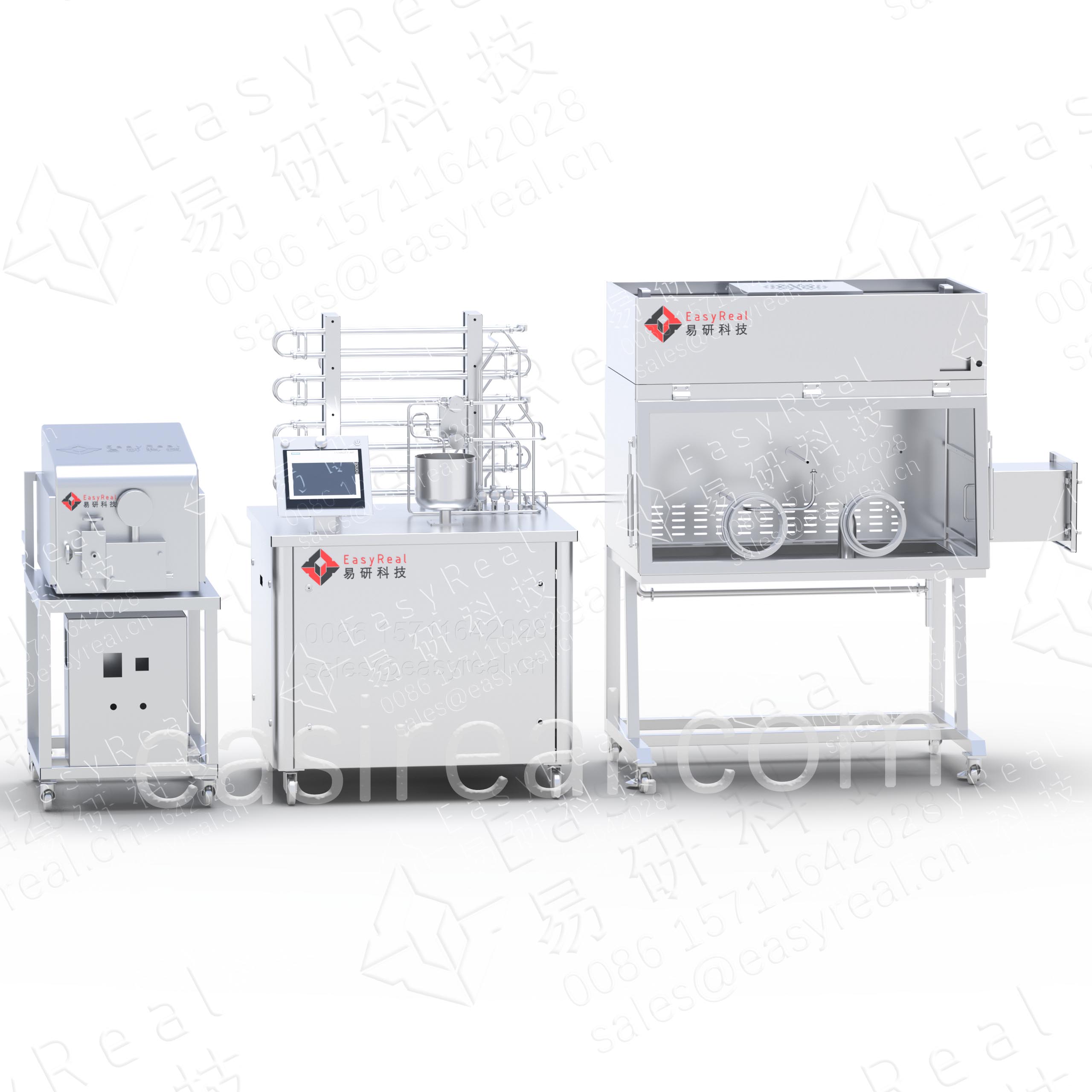
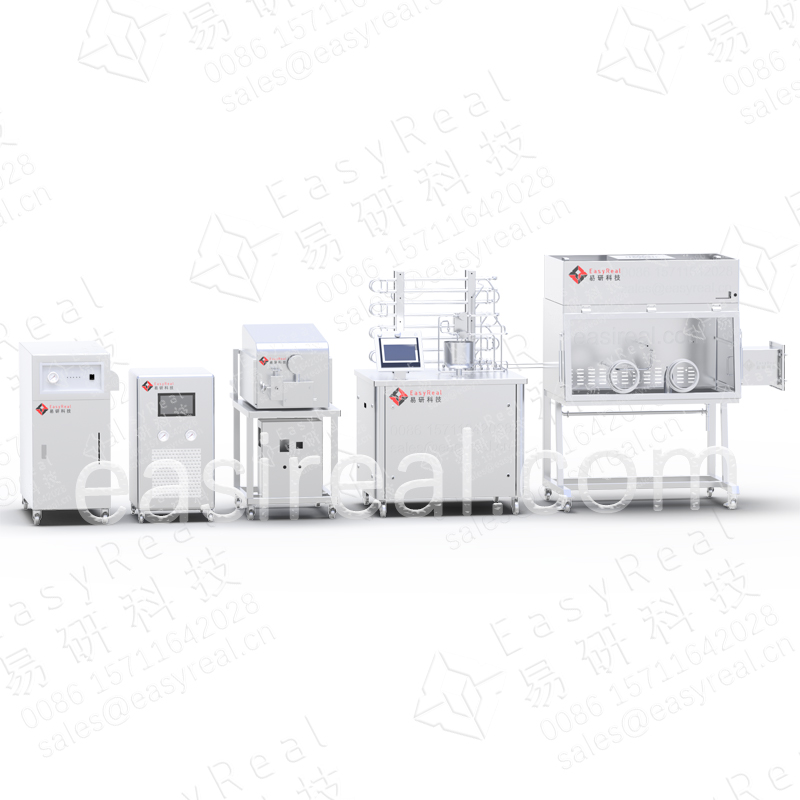
9. Mango Tubular Sterilizer (UHT) – Rapid heating to 110–125 °C or customized temperatures for commercial sterility.
10. Mango Aseptic Filling Machine – Fills sterile mango pulp into 200 L drums, bag-in-box packages or customized aseptic packaging formats.
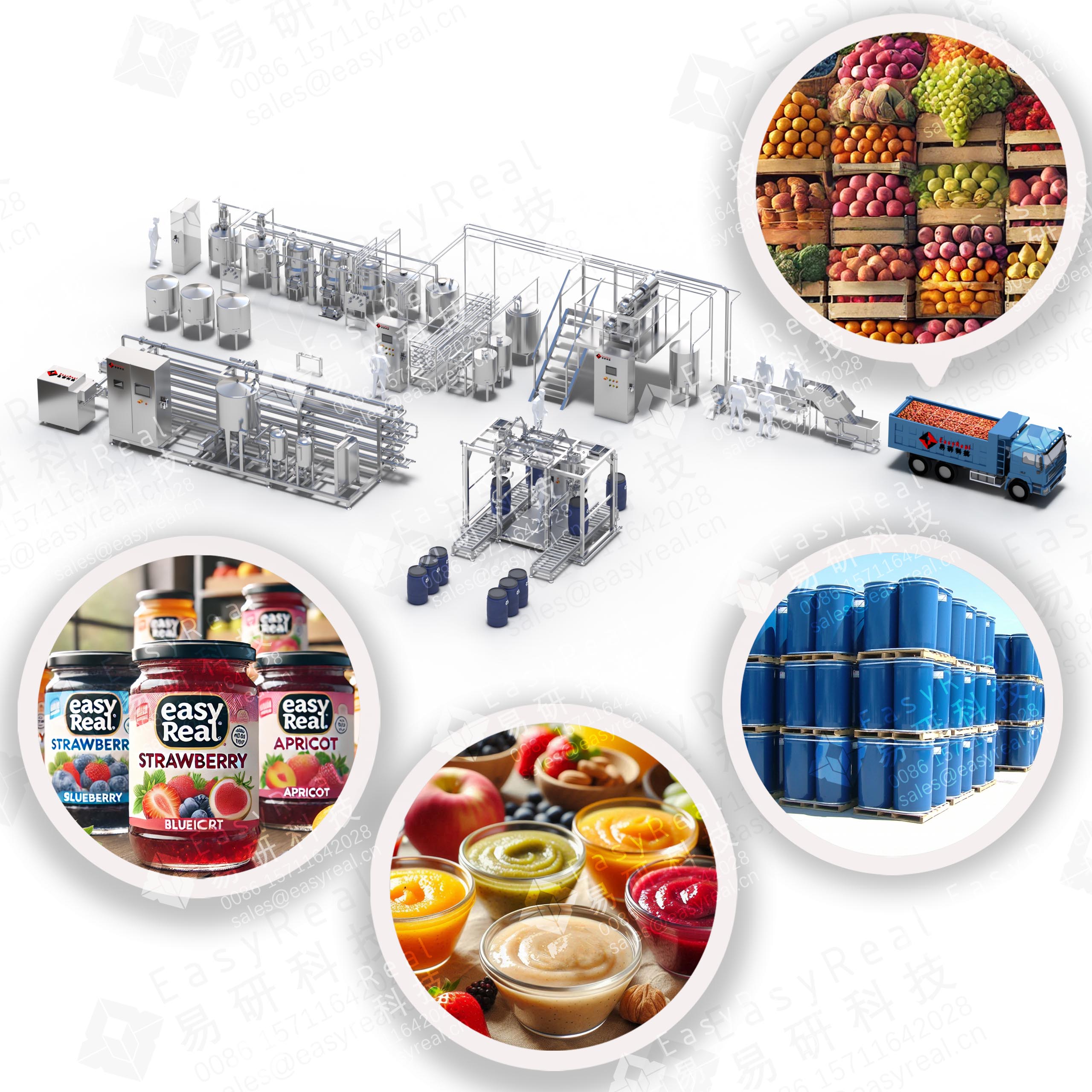
Branch variations include mango pulp, mango puree, mango nectar, mango juice and high-Brix mango concentrate, all achievable on one unified processing backbone.
This system combines bubble agitation, high-pressure spray rinsing, and rotating brush rollers to remove soil, latex, and surface microorganisms from the mango skin.
An open inspection conveyor allows manual sorting, ensuring only premium-quality fruits enter the production line.
Made of SUS304 stainless steel, the unit features rounded sanitary tanks, CIP-compatible piping, and adjustable airflow jets, achieving both food safety compliance and low water consumption.
Keywords: mango washing machine, mango sorting system, fruit cleaning equipment.
The stainless-steel elevator conveyor uses food-grade PVC or PU buckets to transfer washed mangoes gently into the preheating or destoning section.
Equipped with a variable-frequency drive (VFD) motor, it synchronizes feed speed with the next stage to prevent fruit congestion or damage.
Its modular structure allows easy maintenance and adaptability to different line capacities (1–20 t/h).
Keywords: mango elevator, mango conveyor belt, fruit transfer system.
The mango destoning machine is one of the key machines in a mango pulp processing line. It separates mango pulp from stones and peels before the material enters the pulping and refining section. This stage directly affects pulp yield, fiber residue, downstream sieve load and final puree texture.
Works as a mango destoner, mango destoning machine and mango pulp extraction machine.
Separates mango stones and peels with minimal pulp loss.
Protects downstream pulping screens from stone fragments and hard impurities.
Suitable for mango pulp, mango puree, mango nectar and mango juice production.
Can be configured according to mango size, maturity, variety and processing capacity.
For industrial mango processing plants, EasyReal can match the destoning section with washing, elevator conveying, pulping, deaeration, sterilization and aseptic filling equipment to build a continuous mango pulp production line.
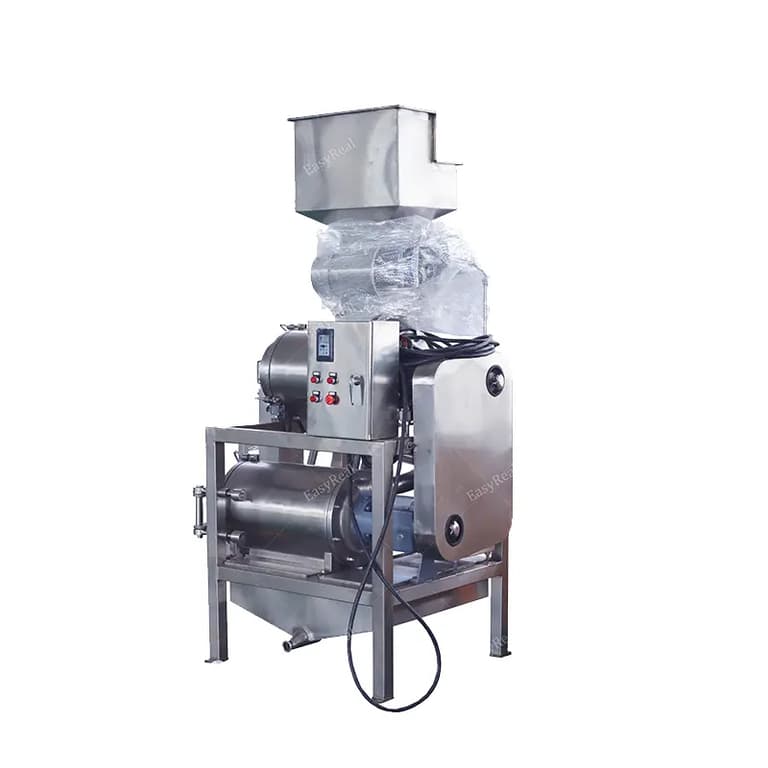
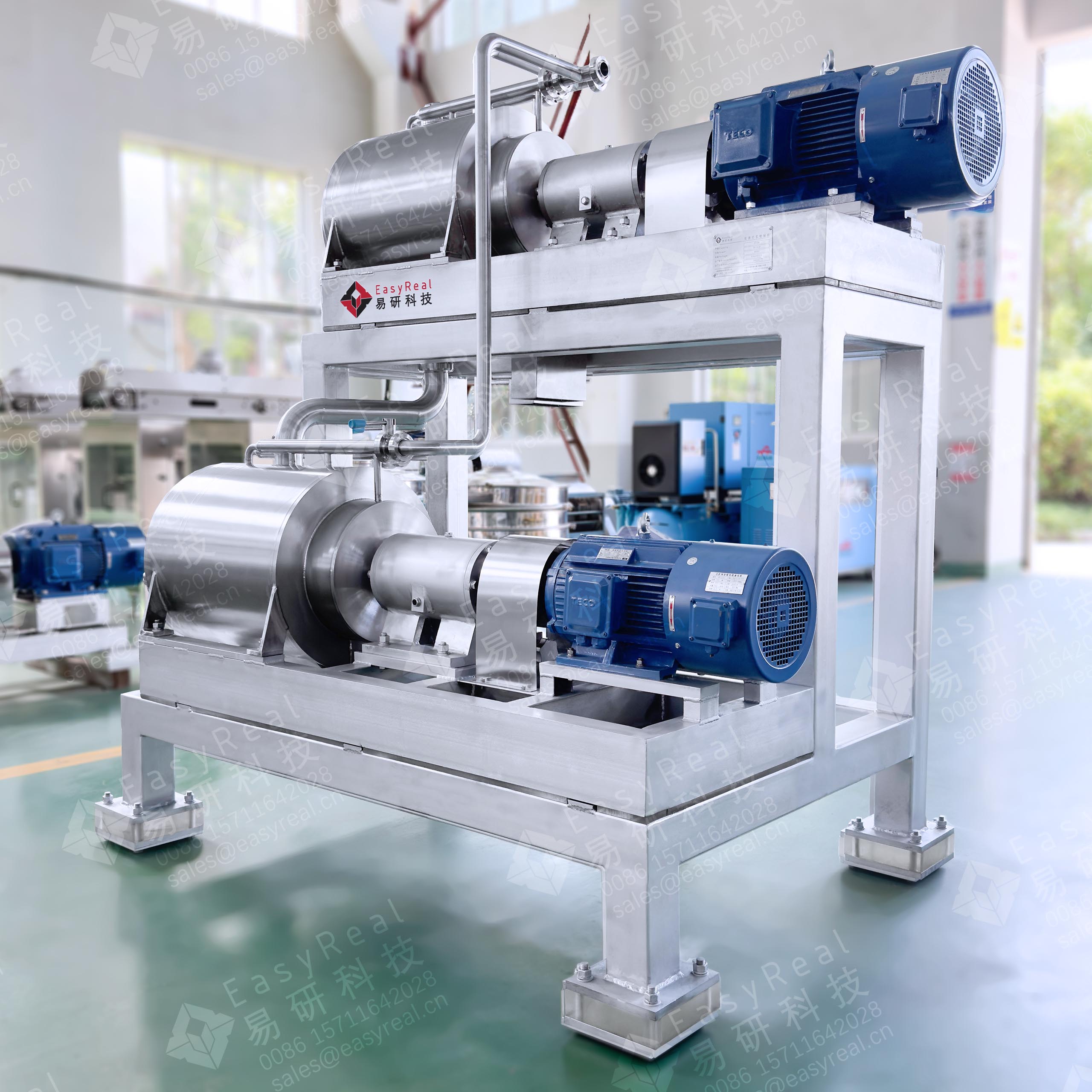
The mango pulp processing machine refines destoned mango material into smooth and uniform mango pulp or mango puree. In a typical mango pulp production line, this section uses coarse and fine mesh screens to remove coarse fiber and improve the final texture before deaeration, sterilization or concentration.
Double-stage pulping and refining design for smooth mango puree production.
Coarse and fine sieve screens help control pulp fineness and fiber residue.
Suitable for mango pulp making, mango puree production and mango juice processing.
Stable pulp output supports downstream vacuum deaeration, UHT sterilization and aseptic filling.
Can be integrated with mango destoning machine, tubular sterilizer and aseptic bag filler.
This mango pulp machinery section is especially important for processors producing aseptic mango pulp, mango puree concentrate or commercial mango juice with consistent mouthfeel and stable product quality.
The vacuum deaeration system removes entrapped air and dissolved oxygen before sterilization, preventing oxidation, browning, and vitamin loss.
Internal spray nozzles enhance degassing efficiency while maintaining product viscosity.
It’s an essential step for improving shelf life and flavor stability in both mango juice and puree.
Keywords: mango deaerator, juice vacuum degassing system, mango juice processing plant.
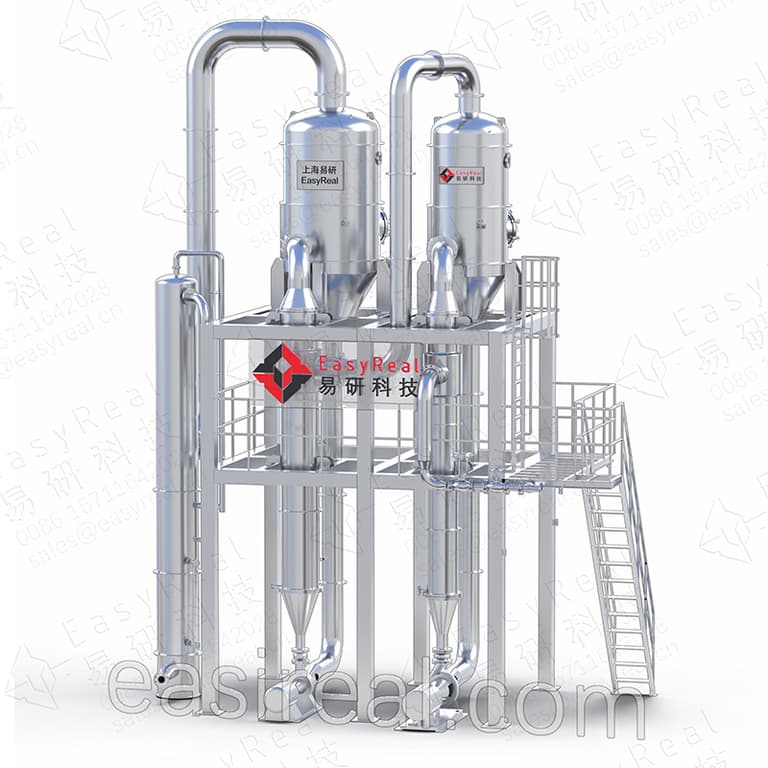
The forced-circulation evaporator concentrates the product under vacuum and low-temperature conditions to reach 28–30 °Brix or higher, suitable for mango puree concentrate.
This system ensures minimal flavor loss and supports multi-effect configurations to reduce steam consumption by up to 30–40 %.
Designed for high-viscosity materials, it’s ideal for tropical fruit pulp concentration.
Keywords: mango evaporator, mango concentration equipment, falling-film evaporator.
This multi-tube heat exchanger system sterilizes mango puree or juice at 110–125 °C for 15–30 seconds (customizable), then rapidly cools it to ambient temperature.
The PLC-controlled flow and holding tube design ensures full sterilization while avoiding caramelization or viscosity breakdown.
Compliant with FDA and CE standards, it supports continuous 24-hour operation.
Keywords: mango UHT sterilizer, tubular pasteurizer, aseptic mango processing equipment.
The aseptic filling system transfers sterilized mango pulp or juice into 200 L aseptic bags, 25 L bag-in-box, or smaller pouches under sterile conditions.
Steam-sterilized filling heads ensure asepsis, while ±0.5 % filling accuracy maintains production consistency.
Products remain shelf-stable for 18–24 months at room temperature, meeting international export and co-packing standards.
Keywords: mango aseptic filler, mango pulp filling machine, aseptic bag filling equipment.
All units are interconnected with sanitary quick couplings and controlled through a central Siemens PLC + HMI interface, enabling real-time monitoring of temperature, flow rate, and pressure.
The system supports fully automated CIP (Clean-In-Place) cleaning between batches, minimizing downtime and detergent use while maintaining the highest hygiene level.
Keywords: mango processing automation, PLC control system, CIP cleaning line.
The industrial mango processing line adapts easily to different raw materials and product grades:
• Raw fruit flexibility: Handles fresh, frozen, or aseptic mango pulp as feedstock.
• Seasonal adjustments: Variable-speed pumps and recipe profiles adapt to changing fruit viscosity across seasons.
• Product diversity: With simple valve switching, the same line can produce mango puree, clarified mango juice, or high-Brix concentrate.
• Packaging variety: From aseptic drums for B2B supply to PET bottles and pouches for retail markets.
This flexibility ensures processors can pivot between product types without major reconfiguration, reducing downtime and maximizing ROI across production cycles.
The entire mango processing line operates through a unified PLC & HMI automation package designed for ease of control and traceability:
• Recipe management: Stores heat, flow, and pressure setpoints for each mango product.
• Interlocks: Prevent unsterilized product from entering aseptic zones.
• Trend recording: Continuous monitoring of temperature curves, CIP parameters, and energy consumption.
• Batch reporting: Exports production data with batch ID, date, and operator logs.
• Remote diagnostics: Optional Ethernet connection for online support and software updates.
This smart control approach allows one operator to supervise the entire mango processing plant, maintaining consistent quality while lowering labor cost per kilo.
What machines are included in a mango processing line?
A complete mango processing line usually includes mango washing, sorting, elevator conveying, destoning, pulping, refining, deaeration, sterilization and filling equipment. For aseptic mango pulp processing, the line can also include a vacuum evaporator, tubular UHT sterilizer and aseptic bag filling machine.
What is the function of a mango destoning machine?
A mango destoning machine separates mango stones and peels from the fruit pulp before pulping and refining. It improves pulp yield, reduces hard impurities and protects downstream sieves, pumps and heat exchangers in the mango pulp processing plant.
Can the same mango processing line produce mango pulp and mango juice?
Yes. A modular mango processing line can produce mango pulp, mango puree, mango nectar, mango juice and mango concentrate. The final configuration depends on Brix, viscosity, formulation, sterilization method and packaging format.
What is the difference between a mango pulp processing plant and a mango juice processing plant?
A mango pulp processing plant focuses on pulp extraction, refining, sterilization and aseptic packaging. A mango juice processing plant usually adds blending, dilution, homogenization, pasteurization and bottle or pouch filling for ready-to-drink mango beverages.
What packaging formats are available for aseptic mango pulp?
Aseptic mango pulp can be filled into 200 L aseptic bags in drums, bag-in-box packaging, pouches or other customized formats. Industrial mango pulp for export is commonly packed in aseptic bags in drums for long shelf life and easier global transportation.
Shanghai EasyReal Machinery Co., Ltd was established in 2011, specializing in manufacturing fruit and vegetable processing lines, such as mango processing line, tomato sauce production lines, apple/pear processing lines, Carrot processing lines, and others. We are committed to providing users with a full range of services from R&D to production. We have obtained CE certification, ISO9001 quality certification, and SGS certification, and 40+ independent intellectual property rights.
EasyReal TECH. provides the European level’s solution in liquid products and has received widespread praise from both domestic and overseas customers. Thanks to our experience over 220 whole customized turn-key solutions of fruits and vegetables with a daily capacity from 1 to 1000 tons with internationally developed process with high-cost performance.
Our products have won a great reputation at home and abroad and have already been exported to all over the world including Asian countries, African countries, South American countries, and European countries.
Whether your goal is to launch a small pilot-scale project or expand to full industrial production, our engineering team can design a turnkey mango processing solution tailored to your capacity, layout, and budget.
Our project delivery covers:
Contact our specialists to discuss your mango processing goals and request a customized quotation.
→ Get in Touch to begin your mango project today.