

Fruit Processing Line | Juice & Puree Systems | EasyReal
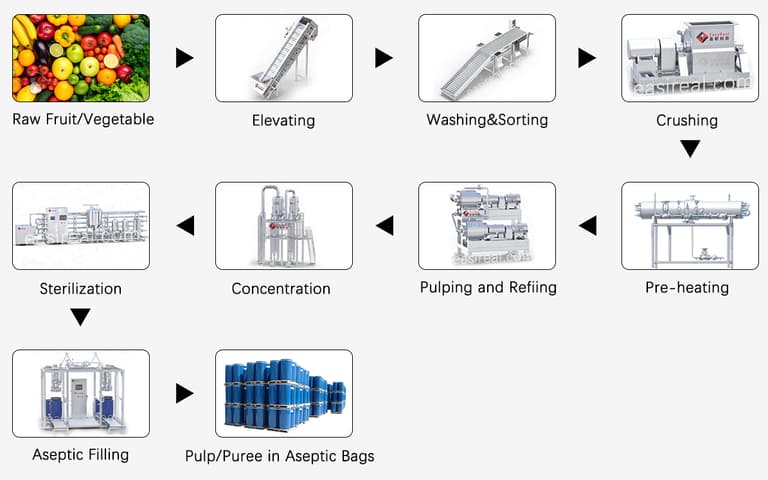
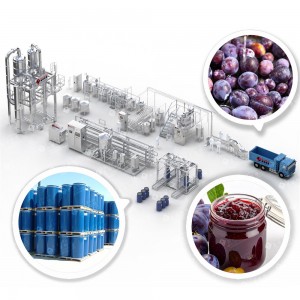
A modern fruit processing plant is not “one line for everything.” It is a set of configurable processing blocks that allow you to output different products:
Juice Products
• NFC Juice (cloudy or clear)
• Juice blends (multi-fruit / seasonal recipes)
• Juice base for RTD beverages
Puree & Pulp Products
• Fruit puree (standard or high-pulp)
• Baby-food style smooth puree (fine refining)
• Aseptic fruit puree for export packing
Concentrate Products
• Fruit concentrate (higher °Brix / reduced water activity)
• Concentrated puree/paste for industrial customers
Jam, Sauce & Specialty Products
• Fruit jam / fruit spread / bakery filling base
• Chili sauce / tomato-based sauce / fruit-based sauces
• Specialty crops with unique constraints (e.g., sea buckthorn, goji berries, sugar beet)
Your final application determines the “must-have” modules:
• Retail beverage brands: stable sensory profile, repeatable processing window, shelf-life validation
• Ingredient & export suppliers: aseptic packaging, long shelf life, consistent viscosity/°Brix
• Baby food / premium puree: fine refining, low oxidation, gentle thermal strategy
• Sauce & jam factories: controlled solids, texture building, accurate cooking & filling
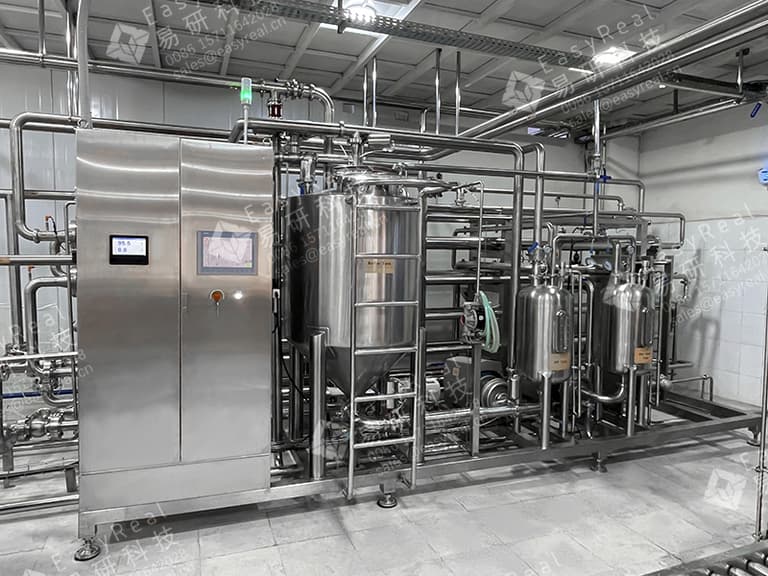
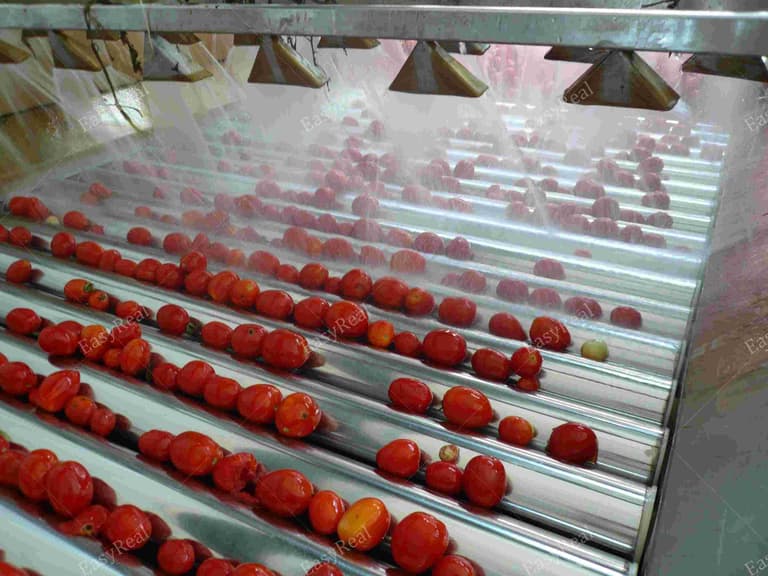
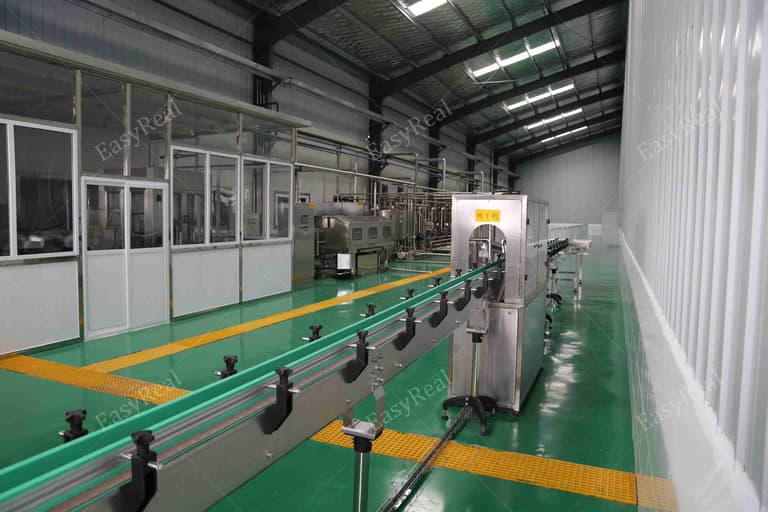
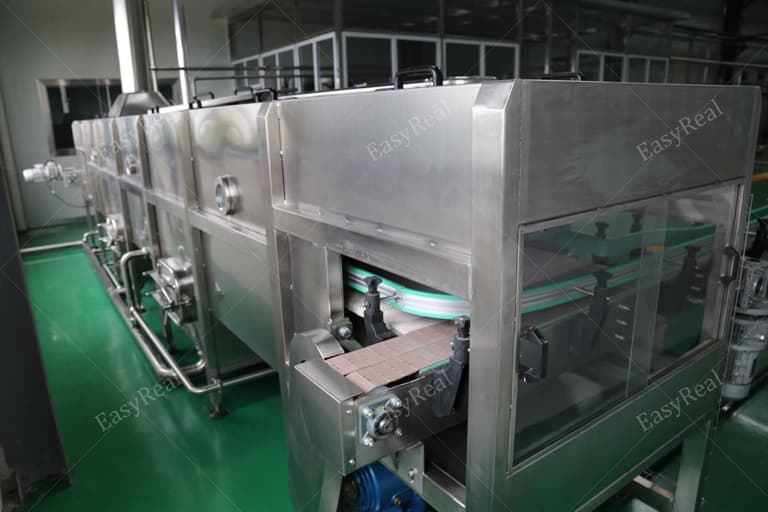
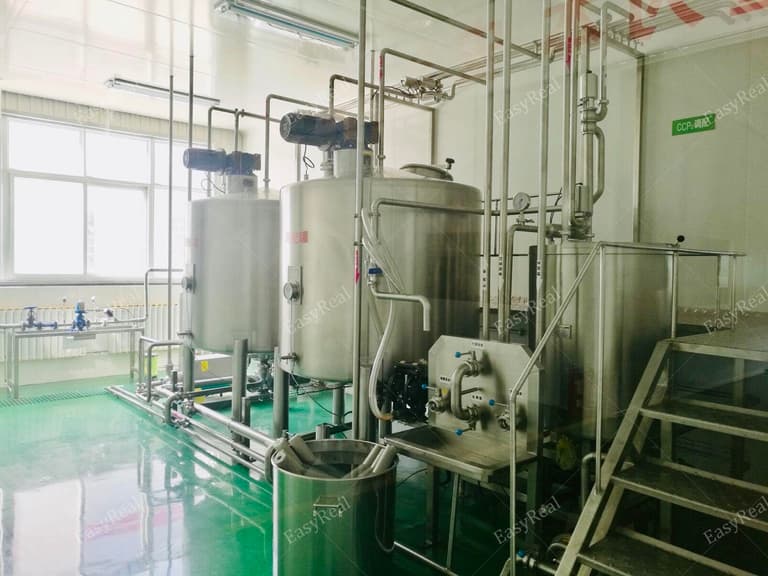
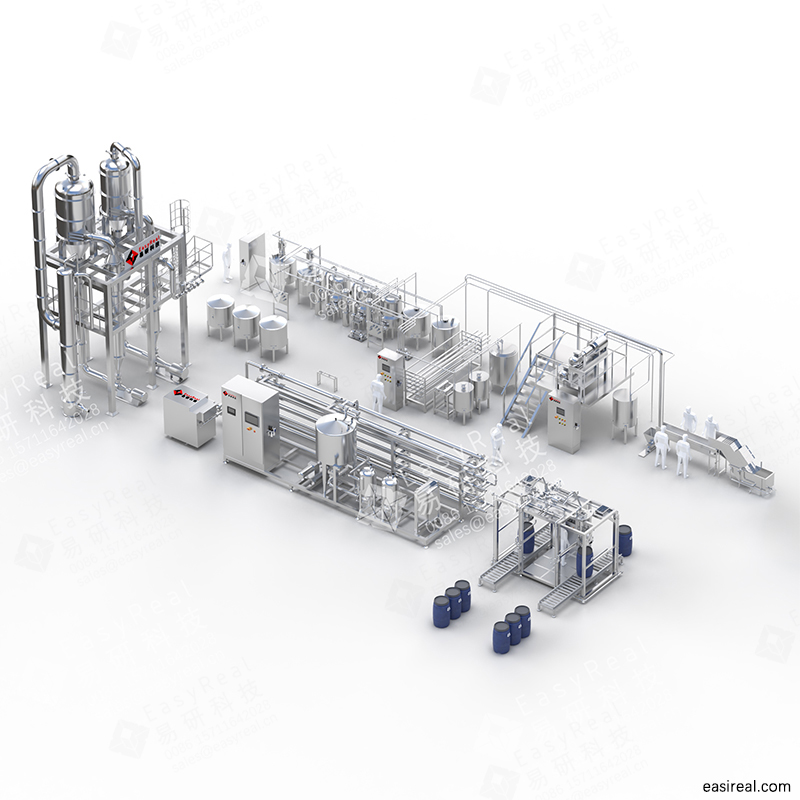
Below is the typical flow. The exact sequence depends on fruit type, target product, and packaging.
1) Raw Material Receiving & Pre-Cleaning
• Receiving, weighing, inspection
• Water flume conveying (optional)
• Pre-wash to reduce soil/sand load
Why it matters: Stable downstream performance begins with stable raw material quality and controlled contamination load.
2) Washing, Sorting & PreparationInspetcion
• Bubble/brush washing, spray rinsing
• Manual/optical sorting (project-dependent)
• Trimming, peeling, coring, destoning (when required)
Goal: Remove foreign matter, reduce microbial load, and prepare fruit for consistent extraction.
3) Crushing / ExtractingCutting / Pulping
• Crushing/cutting for juice extraction or pulping
• Pulping & finishing with suitable screen sizes
• Seed separation / fiber management (fruit-dependent)
Key decision: Juice vs puree routes diverge here—don’t force one route to serve both outputs.
4) Enzyme Control, Deaeration & Texture Management
• Rapid enzyme inactivation (hot-break / controlled heating when needed)
• Vacuum deaeration to reduce dissolved oxygen (color/aroma protection)
• Optional homogenization for stable mouthfeel (product-dependent)
Why it matters: Many fruits oxidize easily; oxygen control is critical for color, aroma, and shelf-life stability.
5) Thermal Treatment (Pasteurization / HTST / UHT)
• Select thermal strategy based on:
o pH / acidity
o pulp content and viscosity
o packaging format
o shelf-life target (cold chain vs ambient)
Outcome: Food safety compliance + stable product quality at scale.
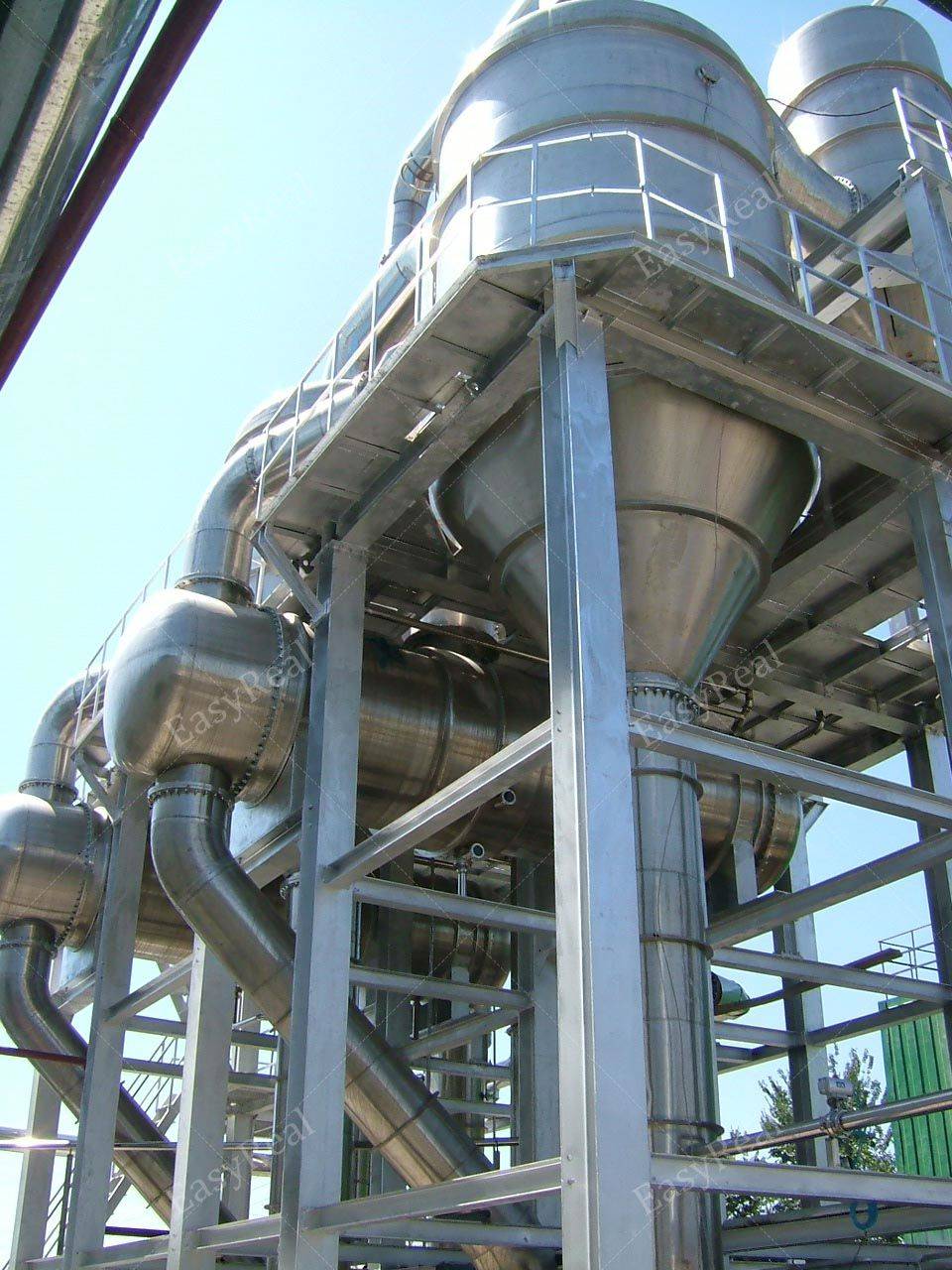
6) Concentration (Optional)
• Falling-film or forced-circulation evaporation (project-dependent)
• Designed to protect aroma/color where possible
• Creates concentrates/pastes for export and industrial supply chains
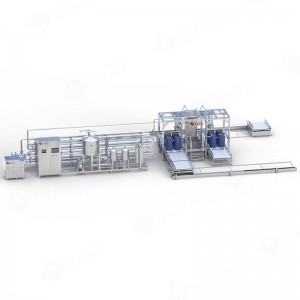
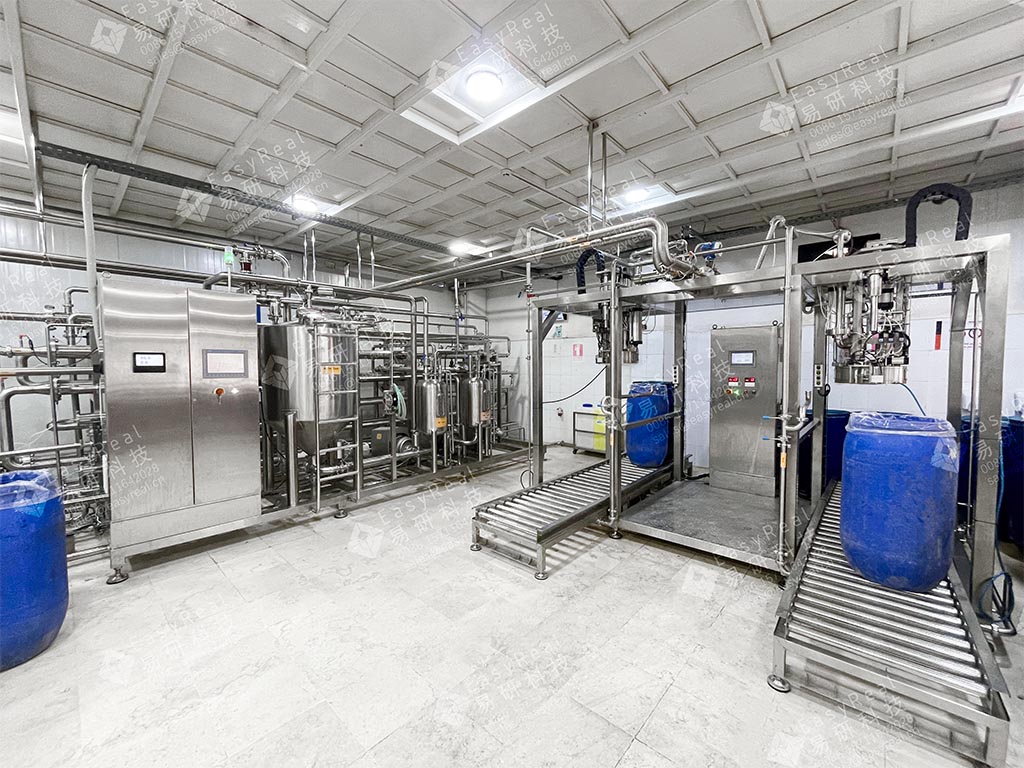
7) Aseptic Filling / Packaging
Packaging depends on your market and logistics:
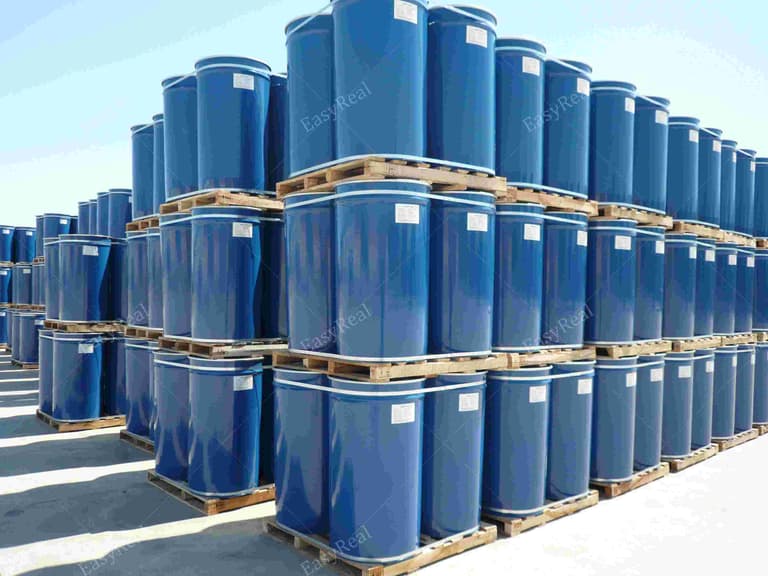
• Aseptic bag-in-drum / bag-in-box (export standard for puree/concentrate)
• Bottles / cans / pouches (project-dependent)
• Downstream handling (storage, palletizing integration optional)
8) CIP Cleaning & Automation
• Automated CIP (Clean-in-Place) for repeatable hygiene
• Recipe-based control for multi-product switching
• Siemens PLC + HMI for industrial reliability and serviceability
________________________________________
A turnkey line is built from “profit-critical and quality-critical” modules. EasyReal typically supplies a complete set, and you can select modules according to your project scope.
Washing & Sorting System
• Multi-stage washing to handle different contamination levels
• Sorting tables and integration points for inspection
Crushing / Cutting System
• Designed for fruit structure and downstream extraction
• Helps stabilize throughput and reduce fiber issues
Enzyme Control
• Rapid enzyme inactivation (hot-break / controlled heating when needed)
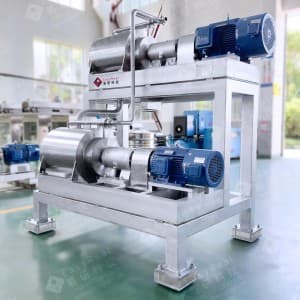
Pulping & Refining System
• Single-stage or multi-stage pulping/finishing
• Screen strategy matched to target texture (puree vs nectar vs juice base)
Deaeration System (Optional but Highly Recommended)
• Vacuum-based oxygen removal
• Improves color retention, aroma stability, and shelf-life consistency
Thermal System (Pasteurizer / HTST / UHT)
• Process windows matched to product acidity and target shelf life
• Export-oriented design for reliability and cleanability
Evaporation System (Optional)
• For concentrates/pastes where logistics and storage efficiency matter
• Designed for stable operation and cleaning performance
Aseptic Filling System (Optional)
• For export-focused puree/concentrate supply chains
• Supports mainstream aseptic bag formats and industrial workflows
CIP System & Process Automation
• Repeatable sanitation, lower labor dependence
• Data visibility and stable production control via Siemens automation
If you want a “correct” quotation and process design, align these parameters first:
A) Raw Material Profile
Is the fruit fibrous (mango), watery (pineapple), seed-heavy (berries), oxidation-sensitive (avocado)?
Do you process fresh, frozen, or rehydrated materials (goji berries)?
B) Target Product Type
Juice (clear/cloudy) vs puree vs concentrate vs jam/sauce
Pulp level, viscosity window, and sensory targets
C) Packaging & Shelf Life
Cold chain vs ambient
Export aseptic formats vs retail bottle/can
Logistics constraints (container shipping, long storage, regional distribution)
D) Capacity & Expansion Plan
Start with one core product and expand later (e.g., NFC juice → puree → concentrate)
Multi-fruit seasonal switching needs faster cleaning and flexible flow design
Core Fruit & Tropical Lines
• Tomato Processing Line
• Mango Processing Line
• Coconut Processing Line
• Pineapple Processing Line
• Guava Processing Line
• Papaya Processing Line
• Dragon Fruit Processing Line
• Avocado Processing Line
Temperate Fruits & Orchard Crops
• Apple & Pear Processing Line
• Peach Processing Line
• Plum Processing Line
• Cherry Processing Line
• Kiwifruit Processing Line
• Jujube (Date) Processing Line
Berries & Specialty Superfruits
• Berry Processing Line
• Acai Berry Processing Line
• GojiWolf Berries Processing Line
• Sea Buckthorn Processing Line
Vegetable & Industrial Crops / Sauce Lines
• Carrot Processing Line
• Sugar Beet Processing Line
• Fruit Jam Production Line
• Chili Sauce Production Line
Depending on your scope, EasyReal can support:
• Process flow design and configuration selection
• Equipment manufacturing, integration, and FAT-ready assembly
• Utilities interface guidance (steam/water/air/power)
• CIP strategy and hygiene design
• Automation logic and operator-friendly HMI workflow (Siemens PLC)
• Installation guidance, commissioning, training, and after-sales support
1) Can one line process multiple fruits in different seasons?
Yes—if the line is designed for seasonal switching from the start. The key is flexible front-end preparation, stable pulping/refining strategy, and a CIP plan that supports fast changeover without cross-flavor contamination.
2) What is the difference between a juice line and a puree line?
A juice line prioritizes extraction, clarification (if needed), and sensory stability. A puree line prioritizes pulping, refining, texture control, oxygen removal, and stable viscosity. Mixing both intents in one fixed flow often causes compromises.
3) Do I need deaeration?
If your fruit is oxidation-sensitive (color/aroma), deaeration strongly improves stability and shelf life consistency. Many export-grade puree and juice base projects include it as a standard module.
4) When should I choose concentration (evaporation)?
Choose evaporation when logistics costs are high, storage efficiency matters, or your customers buy concentrate/paste formats. For premium NFC products, concentration may not be necessary.
5) What packaging is best for export puree/concentrate?
Aseptic bag formats (bag-in-box/bag-in-drum) are common for export supply chains due to shelf life and transport efficiency. Your filling format should match your downstream customers’ handling system.
6) What information do you need for an accurate proposal?
- Fruit type(s) and raw material form (fresh/frozen/rehydrated)
- Target products (juice/puree/concentrate/jam/sauce)
- Capacity and operation plan (single fruit vs seasonal multi-fruit)
- Packaging formats and shelf-life requirement
- Utilities and factory layout constraints (if available)
From tropical fruit purees to clarified apple juice, EasyReal has helped producers in over 40 countries design and install efficient, hygienic, and export-ready fruit processing lines.
Whether you need a compact pilot line for new product development or a high-capacity industrial system for large-scale output, we offer:
-
Customized processing flows for mango, pineapple, guava, apple, tomato, and more
-
Turnkey system design including sterilization, filling, and CIP
-
Installation guidance & SOP setup
-
Global service with technical support and spare parts
Contact us today to receive your tailored processing line proposal, floor layout, and investment estimate. Let EasyReal help you turn your fresh fruit into profitable, high-quality end products with global market potential.