
Industrial Jam Processing Line | Fruit Jam Production Line & Jam Making Equipment
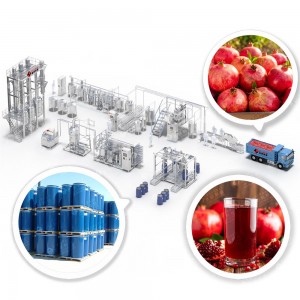
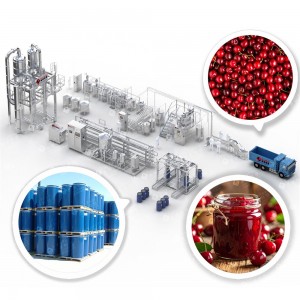
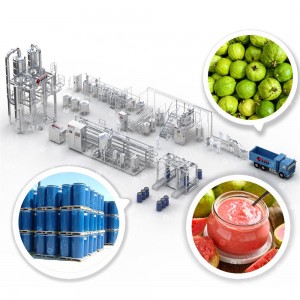
A fruit jam production line is designed to turn fresh fruit, frozen fruit, fruit puree or fruit concentrate into stable jam, marmalade, preserves and fruit spreads through controlled fruit preparation, formulation, vacuum cooking, sterilization and filling. Compared with a single jam making machine, a complete jam processing line provides better control of fruit texture, °Brix, pH, viscosity, gel strength, filling temperature and final shelf life.
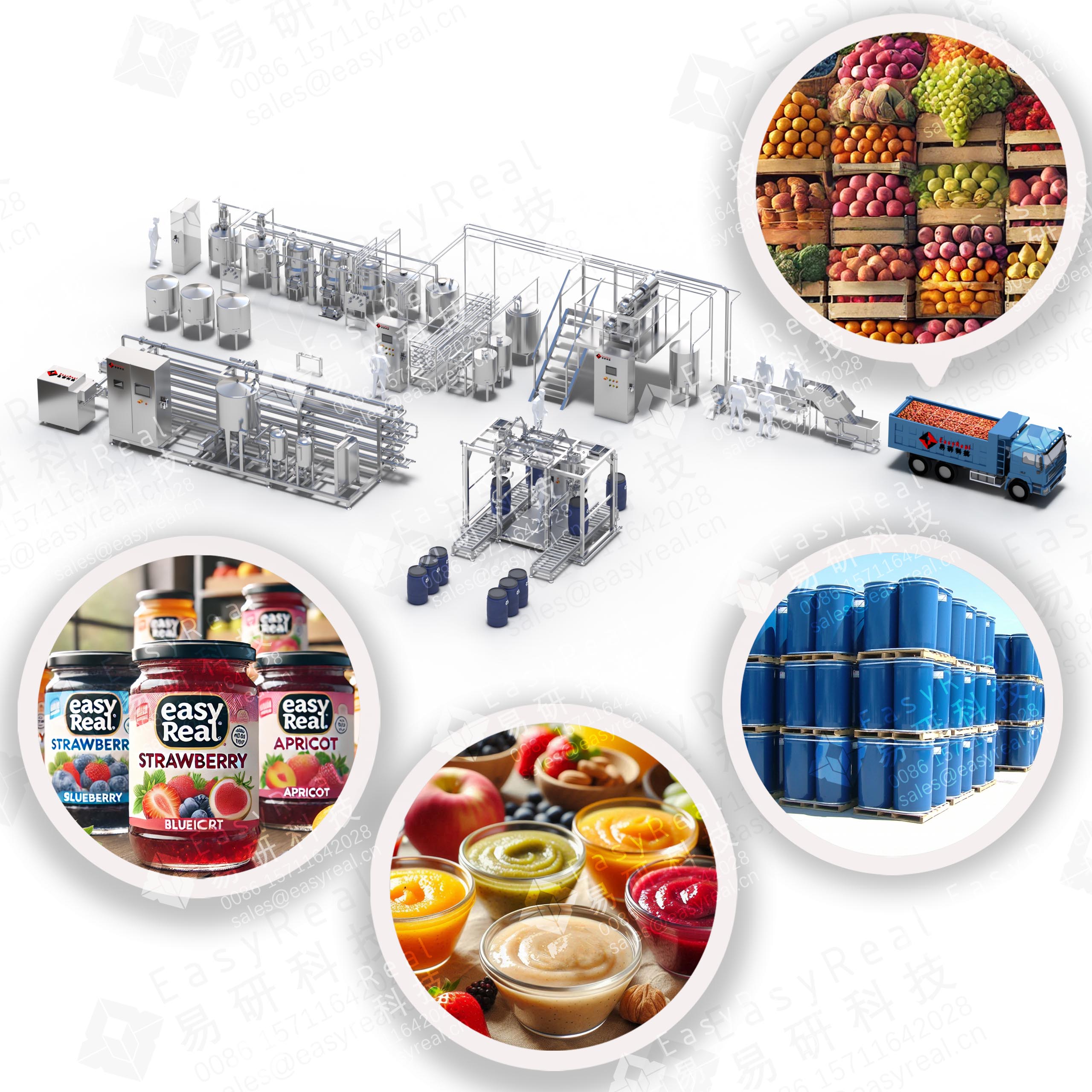
EasyReal configures each industrial jam processing line according to fruit type, recipe complexity, target capacity, packaging format and factory layout. The system can be used for strawberry jam, blueberry jam, raspberry jam, apricot jam, peach jam, apple jam, citrus marmalade and mixed-fruit preserves. For commercial jam production plants, the line can include fruit washing, crushing, pulping, blending, vacuum cooking, homogenizing, sterilization, jar filling, pouch filling, cup filling, capping, cooling and CIP cleaning.
This industrial jam processing line can be configured for strawberry jam, blueberry jam, raspberry jam, apricot jam, peach jam, apple jam, citrus marmalade, mixed-fruit preserves and fruit spreads. It supports both smooth jam and jam with visible fruit pieces, depending on the raw material preparation method, cooking process and filling requirements.
Raw material options include fresh fruit, frozen fruit, fruit puree, fruit concentrate and blended fruit bases. The line can serve retail jam factories, bakery ingredient suppliers, dairy and yogurt topping manufacturers, ice cream ingredient plants, dessert factories and foodservice packaging producers.
For customers looking for commercial jam making equipment, EasyReal can provide either a complete fruit jam production line or selected process sections such as fruit preparation, pulping, vacuum cooking, sterilization, filling and CIP cleaning. This allows the jam processing plant to match different investment stages, production capacities and packaging formats.
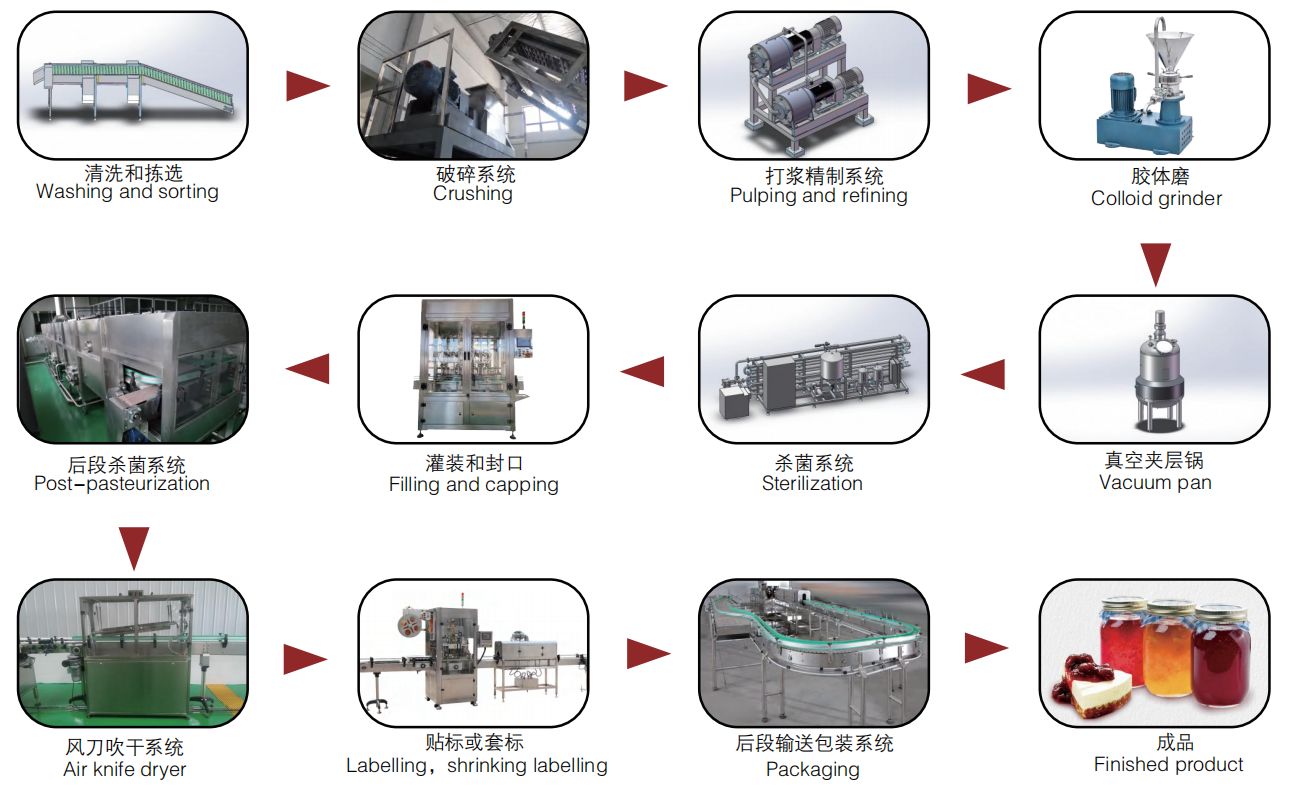
A typical jam processing line can follow two practical production routes according to raw material condition and factory operation strategy.
Route A: From Fresh Fruit
Fresh fruit receiving → washing → sorting → crushing → preheating → pulping and refining → formulation and blending → vacuum cooking or concentration → optional homogenizing → sterilization or hot filling → filling and capping → cooling → conveyor and final packaging.
Route B: From Fruit Puree or Concentrate
Fruit puree or concentrate feeding → sugar, pectin and acid blending → standardization of °Brix, pH and solids → vacuum cooking → optional homogenizing → sterilization or hot filling → jar, cup, pouch or sachet filling → capping, sealing, cooling and packing.
The best route depends on fruit seasonality, fruit particle requirements, recipe complexity, target shelf life, packaging format and whether the factory needs year-round jam production. EasyReal can design the fruit jam making process as a complete line or as modular equipment for upgrading an existing jam processing plant.
Route A: From Fresh Fruit (for seasonal fruit processing plants)
Receiving → washing→sorting → crushing → pre-heater-pulping and extraction & refining → vacuum dilution cooking→ optional homogenizer →sterilization→ filling and capping → conveyor and packaging
Route B: From Puree or Concentrate (for stable year-round production)
Puree/concentrate feeding →vacuum dilution cooking → standardization (°Brix/pH/solids)→ optional homogenizer→ sterilization(as required) → filling and packing
Which route fits best depends on fruit availability, SKU complexity, shelf-life strategy, and packaging choices.
1. Fruit Base Preparation
Jam quality starts with the fruit base. This section controls washing, sorting, crushing, seed or skin removal, pulp yield, fruit particle size and fiber profile. A stable fruit base helps improve mouthfeel, spreadability, gel behavior and downstream cooking stability.
2. Formulation and Blending
Industrial jam production requires accurate blending of fruit base, sugar, pectin, acid, flavor and other ingredients. Proper mixing helps reduce sugar crystallization, pectin lumps, uneven gel formation and batch-to-batch variation. The blending tank and agitation style should be selected according to viscosity, fruit particles and recipe sensitivity.
3. Vacuum Cooking and Concentration
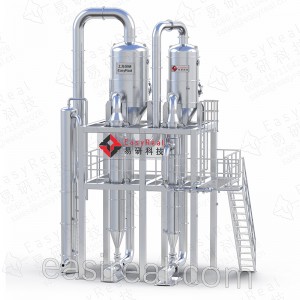
Vacuum cooking is the core section of a commercial jam processing line. It removes water under reduced pressure, helping the product reach the target °Brix while reducing excessive thermal damage. This section affects color, flavor, viscosity, cooking time, energy consumption and final jam texture.
4. Sterilization and Hygiene Control
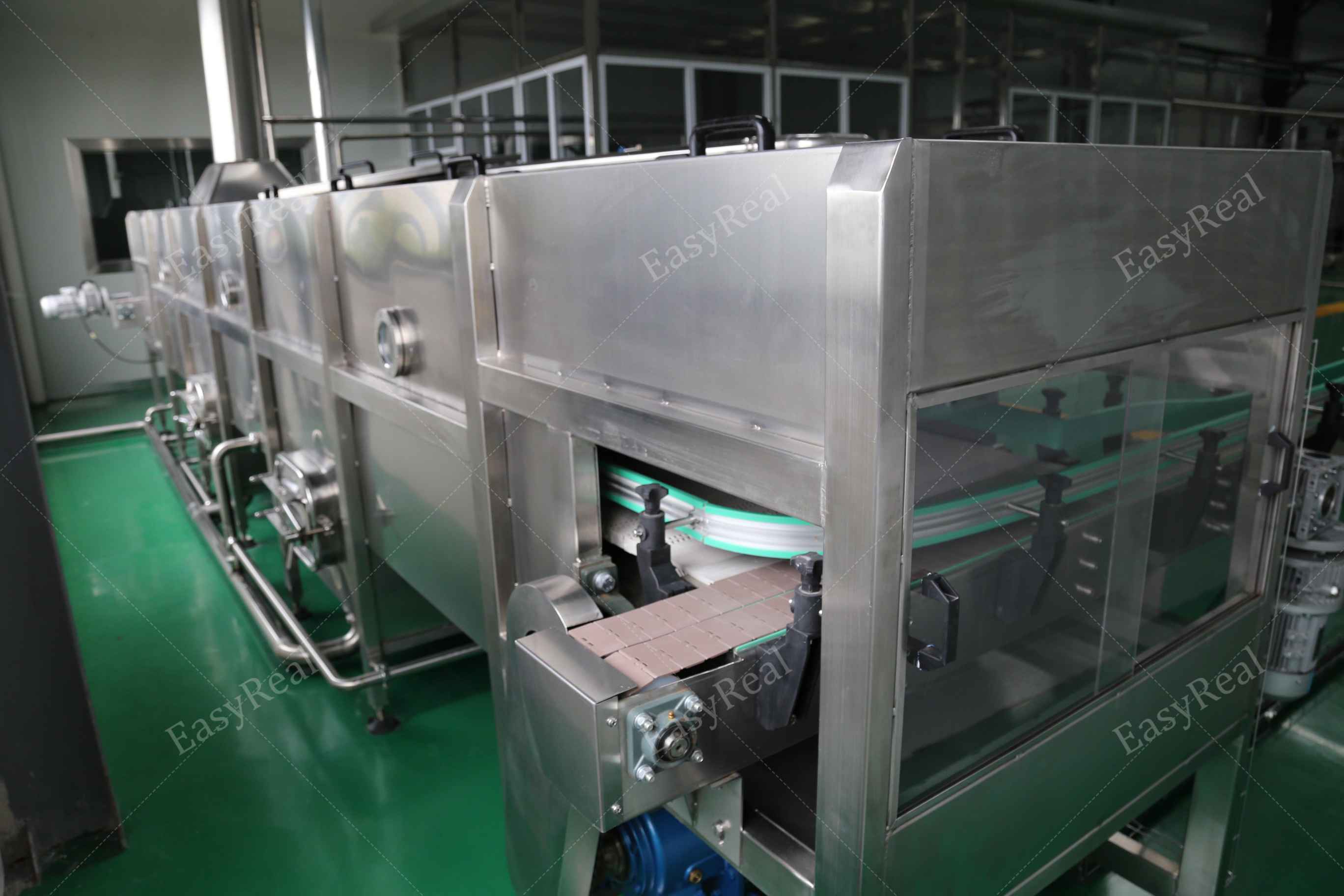
Depending on recipe, packaging and shelf-life requirements, the jam production line can include hot filling, pasteurization, sterilization, hygienic transfer and temperature-controlled buffer storage. This section helps the jam processing plant maintain product safety, filling stability and consistent production quality.
5. Filling and Packaging
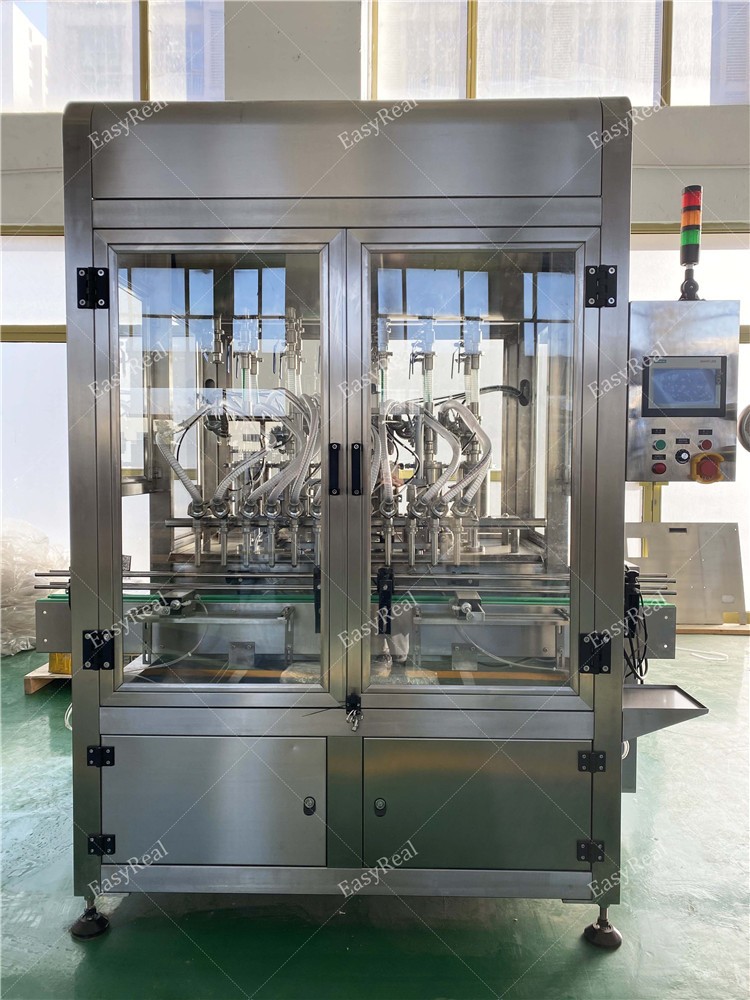
Packaging format determines filling temperature, viscosity window, sealing method and cooling logic. Common formats include glass jars, plastic cups, tubs, pouches, sachets and foodservice containers. EasyReal can integrate jam filling equipment with cooking, sterilization, capping, cooling, conveying and final packaging sections.
A complete industrial jam processing line is typically built from the following functional modules. Each module can be adjusted according to fruit type, recipe, capacity, packaging format and factory layout.
1. Fruit receiving, washing and sorting system for fresh fruit preparation.
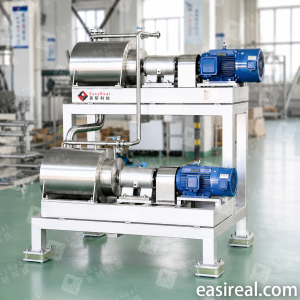
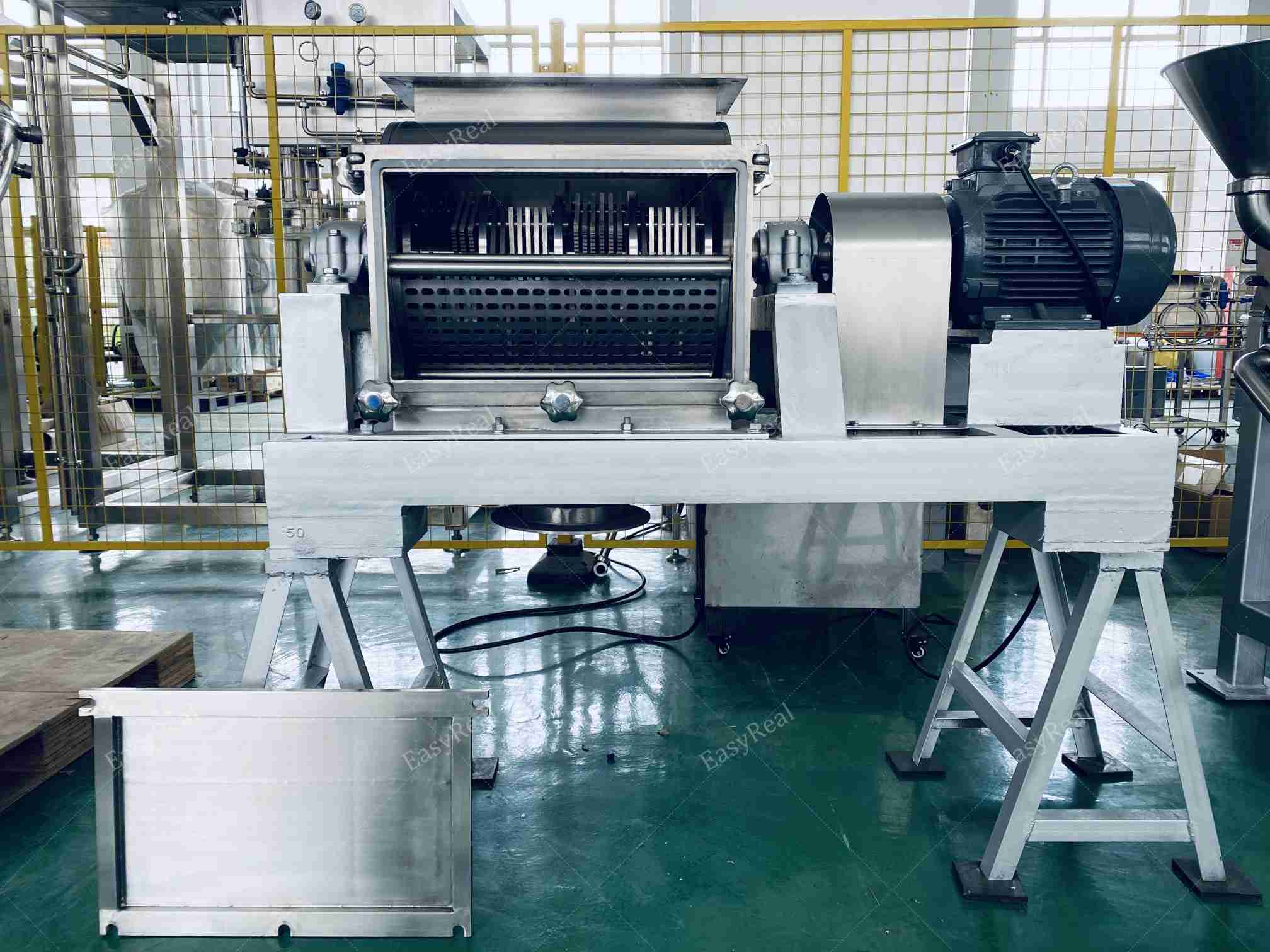
2. Fruit crushing, preheating, pulping and refining system for fruit base preparation.
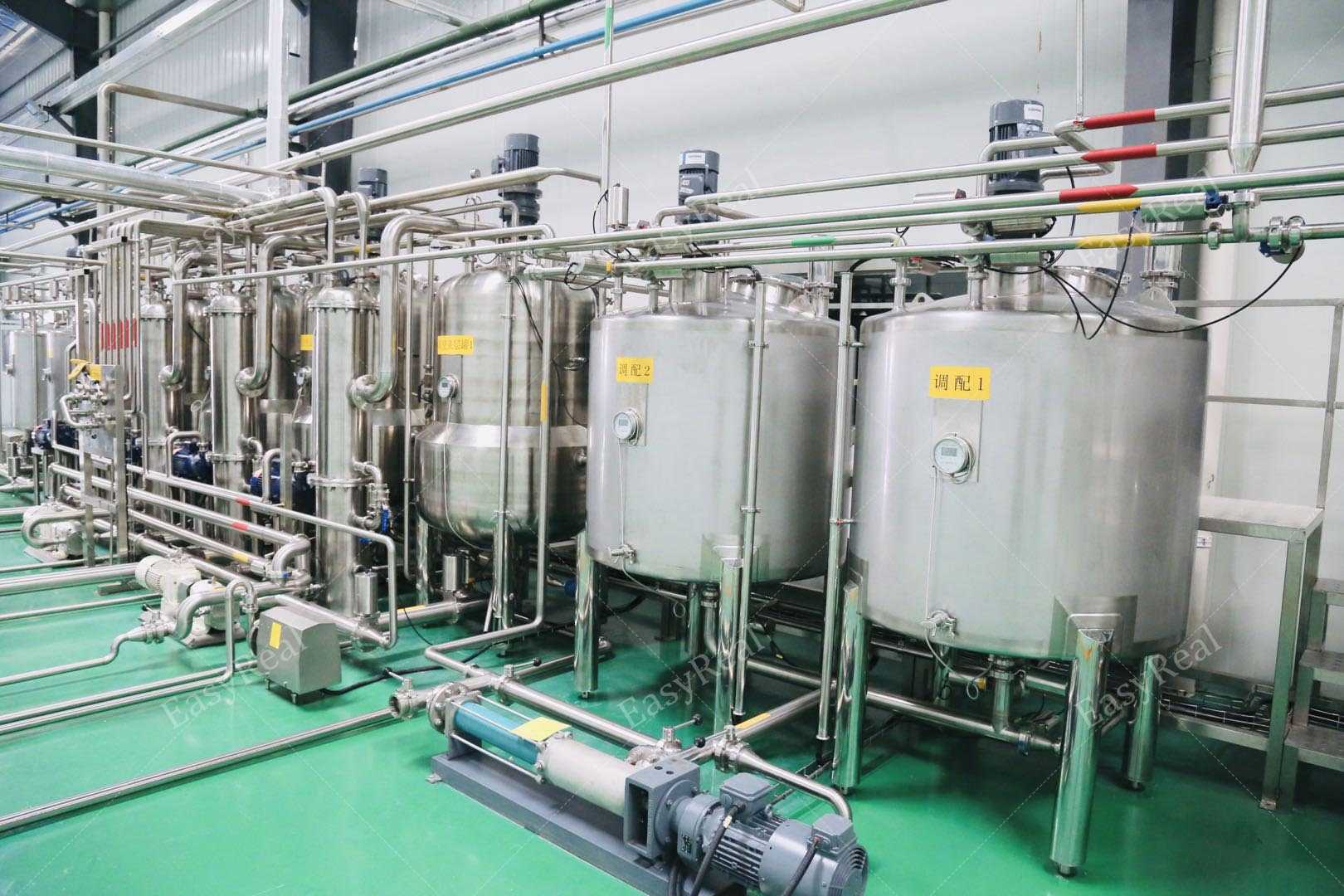
3. Blending and formulation tanks for sugar, pectin, acid, flavor and fruit base mixing.
4. Vacuum cooking or concentration system for reaching target °Brix and texture.
5. Optional homogenizer or particle control system for smooth jam or fruit spread production.
6. Pasteurization, sterilization or hot filling section according to shelf-life requirements.
7. Buffer tanks, sanitary pumps, valves and hygienic transfer pipelines.
8. Jam filling machine for glass jars, cups, pouches, sachets or foodservice containers.
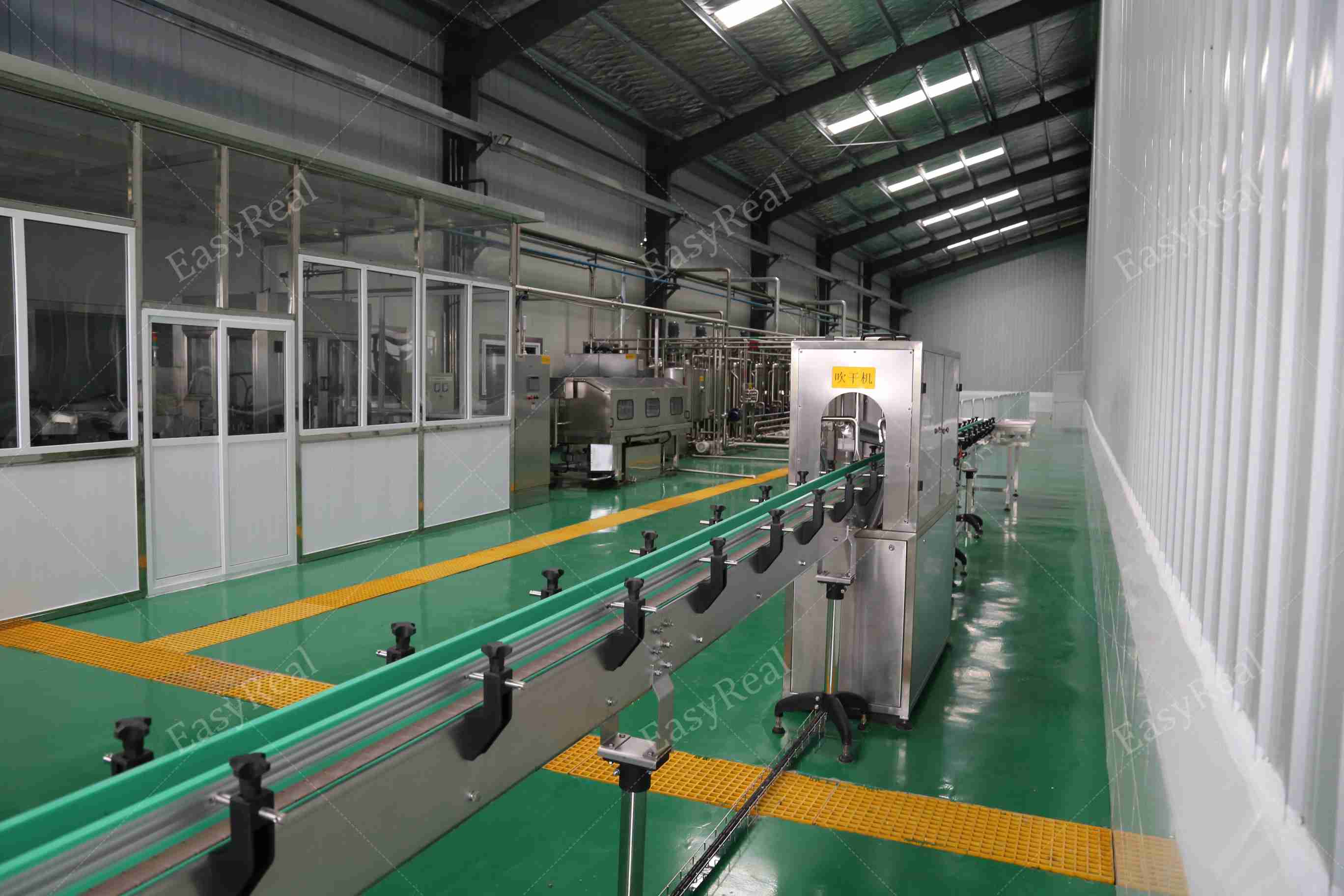
9. Capping, sealing, cooling, conveying and final packaging system.
10. CIP cleaning system and Siemens PLC control for repeatable industrial jam production.
Designed for high-viscosity and sticky products
Jam is a high-solids, high-viscosity product. System sizing and agitation/transfer design are selected to handle:
• high sugar concentration
• fruit solids and particles
• viscosity changes during concentration
• stable flow for filling
Better control of key quality targets
The line is designed to control and document:
• °Brix target and concentration curve
• pH/acid window and gel stability logic
• viscosity range for filling and storage stability
• fruit particle size/fiber profile (by fruit type)
Hygienic design and efficient changeover
• Hygienic layout and sanitary fittings for food-grade operation
• CIP-ready structure to reduce downtime and support multi-SKU plants
• Clear access and cleaning considerations for sticky, sugar-rich products
For startups, pilot factories and regional food brands, small scale jam making equipment can be configured as a compact production system for recipe validation, seasonal fruit processing and small-batch commercial sales. The line can include fruit preparation, blending, vacuum cooking, hot filling and manual or semi-automatic packaging sections.
As production demand grows, EasyReal can expand the same process logic into a larger industrial jam processing line. Customers can upgrade from small batch jam making equipment to automatic jam production line solutions with higher capacity, continuous transfer, improved CIP cleaning, better recipe control and more stable filling performance.
Commercial jam making equipment is different from simple kitchen-style cooking equipment. It must handle sticky, high-solids and high-viscosity products while maintaining accurate temperature control, uniform mixing, reliable concentration, hygienic transfer and stable filling. For factories producing multiple jam flavors or packaging sizes, recipe repeatability and cleaning efficiency are also critical.
EasyReal designs commercial jam processing equipment with food-grade stainless steel construction, sanitary pipelines, controlled heating, vacuum cooking, optional homogenizing, flexible filling interfaces and CIP-ready cleaning design. The system can be customized for glass jar jam, cup jam, pouch jam, sachet jam, bakery jam base and industrial fruit spread production.
To propose the correct configuration and sizing, please share:
1. Fruit type(s) and whether seeds/peels must be removed
2. Target products: jam, marmalade, preserves; smooth vs fruit pieces
3. Target °Brix, pH range, and desired texture/viscosity
4. Capacity target (kg/h or jars/h), daily run time, SKU count/changeover frequency
5. Packaging format and shelf-life requirements
6. Available utilities (steam, power, water, compressed air) and layout constraints
7. Existing equipment you want to keep (cookers/fillers/packers) for integration planning
What is the difference between a jam making machine and a jam processing line?
A jam making machine usually refers to a single unit such as a cooking kettle or vacuum cooker. A jam processing line is a complete production system that includes fruit preparation, pulping, formulation, vacuum cooking, sterilization, filling, capping, cooling and packaging. For commercial jam factories, a complete jam processing line provides better capacity, consistency and hygiene control.
What equipment is used in a fruit jam production line?
A fruit jam production line may include fruit washing machines, sorting conveyors, crushers, pulping and refining machines, blending tanks, vacuum cooking equipment, sterilizers, buffer tanks, jam filling machines, capping machines, cooling conveyors and CIP cleaning systems. The final configuration depends on fruit type, recipe, capacity and packaging format.
Can the same jam processing plant produce different fruit jams?
Yes. A modular jam processing plant can produce strawberry jam, blueberry jam, raspberry jam, apricot jam, peach jam, apple jam, citrus marmalade and mixed-fruit preserves. The main adjustments are fruit preparation method, particle size, °Brix, pH, pectin system, cooking time and cleaning procedure between batches.
Why is vacuum cooking used in industrial jam production?
Vacuum cooking helps remove water at a lower boiling temperature, which can support better color, flavor and texture retention. It also improves control of concentration, final °Brix and viscosity. For high-quality industrial jam production, vacuum cooking is often preferred over simple open-kettle boiling.
Can the line produce jam with fruit pieces?
Yes. The jam production line can be configured to protect fruit pieces through gentle transfer, suitable agitation, controlled cooking and proper viscosity design. This helps reduce fruit piece breakage, floating, sinking and uneven distribution during filling.
Can EasyReal provide small scale jam making equipment?
Yes. EasyReal can provide small scale jam making equipment for pilot production, seasonal fruit processing, recipe testing and small commercial batches. The system can later be expanded into a larger automatic fruit jam production line when capacity increases.